If your phone feels slow, your laptop keeps freezing, or every new app asks for permissions you don’t understand, you’re not alone. Technology is supposed to make life easier, but sometimes it feels like there are too many settings, updates, tools, passwords, and security warnings to keep up with. That is where Tips for Tech Beaconsoft can help you get back in control without needing advanced technical knowledge.
Tips for Tech Beaconsoft is practical technology advice that helps you improve device speed, protect online accounts, manage apps, use AI tools wisely, back up files, and make smarter tech choices. The best approach is to keep systems updated, reduce digital clutter, secure passwords, review permissions, and verify important details from trusted sources.
In this guide, you’ll learn simple ways to improve device speed, protect your accounts, manage apps, use AI tools wisely, back up important files, and avoid common tech mistakes. Everything is explained in a practical way, so you can make smarter choices with your phone, laptop, cloud storage, gaming setup, and everyday digital tools.
Tips for Tech Beaconsoft Meaning and Main Purpose

Tips for Tech Beaconsoft is about using technology in a smarter, safer, and more organized way. It gives you practical steps to improve device speed, protect your online accounts, manage apps, use cloud storage, and avoid common tech mistakes that waste time or create security risks.
You do not need to be a developer or advanced tech user to benefit from it. The main purpose is simple: help you make better everyday decisions with your phone, laptop, browser, apps, AI tools, cloud storage, and connected devices without feeling overwhelmed.
Simple Definition for Beginners
In simple words, Tips for Tech Beaconsoft is practical technology advice for everyday users who want faster devices, safer accounts, cleaner app management, better backups, and smarter digital habits. It focuses on real actions you can take instead of complicated technical theory.
Main Problems This Guide Solves
This guide helps you deal with slow devices, low storage, weak passwords, unsafe downloads, confusing app permissions, cloud backup mistakes, battery drain, messy subscriptions, AI tool confusion, and poor online privacy habits. It also helps you understand which tech settings matter most before something goes wrong.
Quick Facts and Reader Roadmap
Before going deeper, it helps to see the full picture. Modern tech problems usually do not come from one big mistake. They come from small habits repeated over time, like ignoring updates, saving everything in one cloud folder, using the same password everywhere, or installing apps without checking permissions.
This roadmap shows what you will learn and where each part fits. Use it like a quick guide before you start making changes to your devices, accounts, or online tools.
| Area | What You Learn | Best Format |
| Device performance | Storage cleanup, updates, background apps, startup settings | Checklist |
| Account security | Passwords, MFA, phishing links, privacy settings | Safety list |
| AI tools | Smart uses, limits, private data risks, output checking | Do and don’t table |
| Cloud backup | Sync vs backup, file recovery, secure access | Comparison table |
| Mobile setup | Android and iPhone privacy, battery, app settings | Side-by-side table |
| Buying tech | Specs, budget, warranty, compatibility, real use case | Buying checklist |
Best Reader Type for This Guide
This guide is useful for beginners, students, remote workers, gamers, freelancers, creators, small business owners, and casual tech users who want clear technology advice without confusing jargon. If you use a phone, laptop, apps, cloud storage, or online accounts every day, these tips can help.
If online gaming is one of your main tech habits, Gaming Playmyworld is a helpful guide to explore digital play, gaming communities, and online game-style platforms.
Core Technology Areas Every User Should Know
Technology feels easier when you break it into a few simple areas. You do not need to master everything at once. Start with device performance, account protection, app management, cloud storage, AI tools, browsing safety, productivity habits, and smarter buying decisions.
The best part is that small improvements can make a big difference. Updating software, deleting unused apps, using a password manager, checking permissions, and backing up important files can protect you from many common problems.
Everyday Tech Skills That Matter Most
The most useful tech skills are simple but powerful: keeping devices updated, cleaning unnecessary storage, using strong passwords, enabling multi-factor authentication, avoiding phishing links, managing cloud storage, backing up important files, checking app permissions, and learning how to troubleshoot basic software issues.
- Keep your phone, laptop, browser, and important apps updated.
- Review app permissions for camera, microphone, location, contacts, and photos.
- Use a password manager instead of reusing the same password.
- Turn on multi-factor authentication for email, banking, and payment accounts.
- Remove apps and browser extensions you no longer use.
- Back up important files before changing devices or deleting folders.
- Check links carefully before entering login details.
- Use AI tools for support, but verify important answers before acting on them.
- Keep cloud folders organized so files are easy to find later.
- Avoid installing random “cleaner” apps or fake performance boosters.
For a broader look at digital trends and future tools, you can also read Droven io future technology usa to understand how technology is changing everyday life.
Device Performance and Storage Optimization

A slow device does not always mean you need to buy a new one. Many phones and laptops become slower because storage is nearly full, too many apps run in the background, old files pile up, browser tabs stay open, and updates are delayed for too long.
Tips for Tech Beaconsoft should always start with the basics because they are often the safest and most effective fixes. Clean up storage, restart your device, remove unused apps, update your system, and check which apps are using memory, battery, and background data.
Simple Device Cleanup Checklist
Start with a safe cleanup before downloading any third-party tool. Delete unused apps, clear your downloads folder, remove duplicate photos or videos, close unneeded startup apps, update your operating system, restart your device, clean browser tabs, and check built-in storage settings before using external cleaner apps.
| Step | What to Do | Why It Helps |
| 1 | Delete apps you no longer use | Frees storage and reduces background activity |
| 2 | Clear downloads and large files | Opens space for system tasks |
| 3 | Restart your device weekly | Refreshes memory and background processes |
| 4 | Update your operating system | Fixes bugs and security issues |
| 5 | Review startup apps | Helps your laptop boot faster |
| 6 | Remove duplicate media | Saves storage without affecting important files |
| 7 | Check browser extensions | Reduces browser slowdowns and privacy risks |
Cleaner App Mistakes to Avoid
Do not install several cleaner apps just because your device feels slow. Too many cleaner tools can create more background activity, show aggressive ads, request unnecessary permissions, or delete files you still need. Built-in storage tools from your phone, laptop, or browser are usually the safer first choice.
Android, iPhone, and Mobile Setup Habits
Your phone carries a lot of personal information, so setup habits matter. Whether you use Android or iPhone, the goal is the same: keep your apps updated, review permissions, control notifications, protect your account, manage storage, and avoid risky downloads.
Mobile performance also depends on how you use your device every day. Too many background apps, unnecessary widgets, weak passwords, full storage, and careless app installs can make even a good phone feel slow or unsafe.
| Area | Android Habit | iPhone Habit |
| App sources | Use trusted app stores and avoid unknown APK files | Use the App Store and avoid suspicious profiles |
| Privacy | Review location, camera, microphone, and contacts access | Check app tracking, privacy reports, and permissions |
| Storage | Use built-in storage manager and remove unused files | Check iPhone Storage and offload unused apps |
| Battery | Limit background activity for heavy apps | Review Battery Health and background app refresh |
| Security | Use screen lock, Play Protect, and account recovery options | Use Face ID/Touch ID, Apple ID protection, and iCloud backup |
| Updates | Keep Android system and apps updated | Keep iOS and apps updated |
Android Tips
On Android, start by checking app permissions, background battery usage, storage manager, Play Protect, and unknown app installation settings. Avoid downloading APK files from random websites because fake downloads can carry malware, tracking tools, or apps that steal personal data.
iPhone Tips
On iPhone, review app tracking settings, location access, iCloud backup, battery health, Face ID or Touch ID, and privacy reports. Also check which apps use background refresh because turning it off for unnecessary apps can improve battery life and reduce unwanted activity.
Cybersecurity, Privacy, and Account Protection
Cybersecurity sounds technical, but most account problems come from simple habits that are easy to fix. Weak passwords, reused logins, unsafe links, old apps, and unchecked permissions can put your email, banking, social media, cloud files, and business tools at risk.
A strong safety routine does not need to be complicated. Tips for Tech Beaconsoft should help you protect your accounts step by step, starting with passwords, multi-factor authentication, phishing awareness, safe downloads, and regular permission checks.
Password and Multi-Factor Authentication Basics
Use a password manager to create and save strong passwords instead of reusing the same one everywhere. Turn on multi-factor authentication for your email first, then banking, payment apps, cloud storage, work tools, and social media accounts because your email often controls password resets for everything else.
| Security Step | What to Do | Why It Matters |
| Use unique passwords | Never reuse the same password across accounts | One leak will not expose everything |
| Enable MFA | Use an authenticator app where possible | Adds protection beyond a password |
| Secure email first | Protect your main email account | Email controls password resets |
| Update recovery info | Keep phone and backup email current | Helps you regain access safely |
| Avoid shared passwords | Do not text or message passwords casually | Reduces account takeover risk |
Phishing and Suspicious Link Protection
Phishing attacks often look like urgent messages from banks, delivery companies, app stores, cloud services, or work platforms. Do not click links just because a message says your account will close, your payment failed, or you won a prize. Open the official app or website yourself and check from there.
App Permission Review
Check which apps can access your camera, microphone, contacts, photos, location, Bluetooth, and background activity. A weather app may need location, but it probably does not need your contacts or microphone. Removing unnecessary permissions is one of the easiest ways to improve online privacy and data protection.
For stronger online safety habits, you can also review this cybersecurity guidance before changing your password, backup, or login security settings.
AI, Automation, and Smart Tool Usage

AI tools can help you work faster, but they should not replace your judgment. You can use them for brainstorming, summaries, outlines, coding help, spreadsheet ideas, learning support, email drafts, and productivity planning. The key is to treat AI as an assistant, not as the final authority.
Tips for Tech Beaconsoft can be useful here because many people try AI tools without understanding their limits. AI can make mistakes, invent facts, misunderstand context, or produce outdated information, so anything important should be checked before you use it.
Smart Ways to Use AI Tools
Use AI tools for low-risk tasks first, such as rewriting notes, organizing ideas, summarizing long text, planning a schedule, creating checklists, or explaining a topic in simple words. For work tasks, use AI to speed up your thinking, then review the output yourself before sharing or publishing it.
| Use AI For | Good Example | Be Careful With |
| Summaries | Shorten long notes or articles | Missing important details |
| Writing help | Draft emails, captions, outlines | Robotic or inaccurate wording |
| Learning | Explain a topic simply | Outdated or incomplete answers |
| Coding help | Understand errors or examples | Unchecked code in live projects |
| Productivity | Build task lists and workflows | Over-automating simple work |
AI Mistakes to Avoid
Do not paste private passwords, financial details, personal documents, customer data, or confidential business files into AI tools unless you clearly understand the platform’s privacy rules. Also avoid copying AI answers without checking them, especially for legal, medical, financial, cybersecurity, or technical decisions.
Cloud Storage, Backups, and File Recovery
Cloud storage is useful, but it can also create confusion. Many people think saving files in the cloud automatically means they are fully backed up. In reality, cloud sync and cloud backup are not always the same thing, and misunderstanding this difference can lead to lost files.
The safest approach is to keep important files in more than one place. Use cloud storage for access and sharing, but also keep a separate backup for documents, photos, business files, school work, and anything you cannot easily replace.
Cloud Sync vs Real Backup
Cloud sync mirrors your files across devices. If you delete a file on one device, that deletion may sync everywhere. A real backup keeps a separate copy, so you can recover files even after accidental deletion, device failure, ransomware, or account problems.
| Feature | Cloud Sync | Real Backup |
| Main purpose | Access files across devices | Recover files after loss |
| Deletion behavior | Deleted files may disappear everywhere | Backup copy can remain safe |
| Best use | Sharing and daily access | Protection and recovery |
| Common examples | Drive-style synced folders | Backup services or external copies |
| Main risk | Mistaking sync for full protection | Forgetting to test recovery |
Best Backup Habits
Back up important files before resetting a device, changing phones, deleting large folders, or installing major updates. Keep one copy on your device, one copy in cloud storage, and another copy on an external drive or separate backup service when the file is truly important.
If you want to understand cloud storage and online backup in more detail, this Droven.io cloud computing guide can help you compare cloud basics before choosing a service.
If you want to understand online backup and cloud storage better, this Droven.io cloud computing guide can help you compare the basics before choosing a service.
Laptop, PC, Browser, and Troubleshooting Tips
A slow laptop or PC can often be improved without replacing it. The problem may come from too many startup apps, outdated software, a crowded browser, weak Wi-Fi, old drivers, full storage, overheating, or browser extensions that quietly use memory.
Tips for Tech Beaconsoft should make troubleshooting feel simple. Start with the easiest fixes first: restart the device, check storage, update the system, close unused tabs, remove suspicious extensions, and scan for malware using trusted security tools.
Common PC and Laptop Problems
Most common computer problems follow a pattern. A slow startup usually points to too many startup apps. A noisy fan may mean heat, dust, or heavy background processes. A freezing browser may come from too many tabs, extensions, or cached site data.
| Problem | Quick Fix |
| Slow startup | Disable unnecessary startup apps |
| Laptop overheating | Improve airflow and close heavy background apps |
| Browser freezing | Remove unused extensions and close extra tabs |
| Weak Wi-Fi | Restart router and move closer to the signal |
| Storage full | Delete large files and empty downloads |
| Battery draining fast | Lower brightness and review background apps |
| Random pop-ups | Remove suspicious extensions and scan for malware |
Browser Tips
Your browser is one of the most important tools on your device, so keep it clean. Remove extensions you do not use, avoid saving passwords in unsafe places, clear site data carefully, update the browser regularly, and avoid downloading files from unknown websites.
If your main concern is gaming performance on a laptop, TheLaptopAdviser Expert Gaming gives more focused help for choosing and using gaming devices.
If your main concern is gaming performance on a laptop, TheLaptopAdviser Expert Gaming gives more focused help for choosing and using gaming devices.
Gaming, Smart Home, and Connected Device Tips
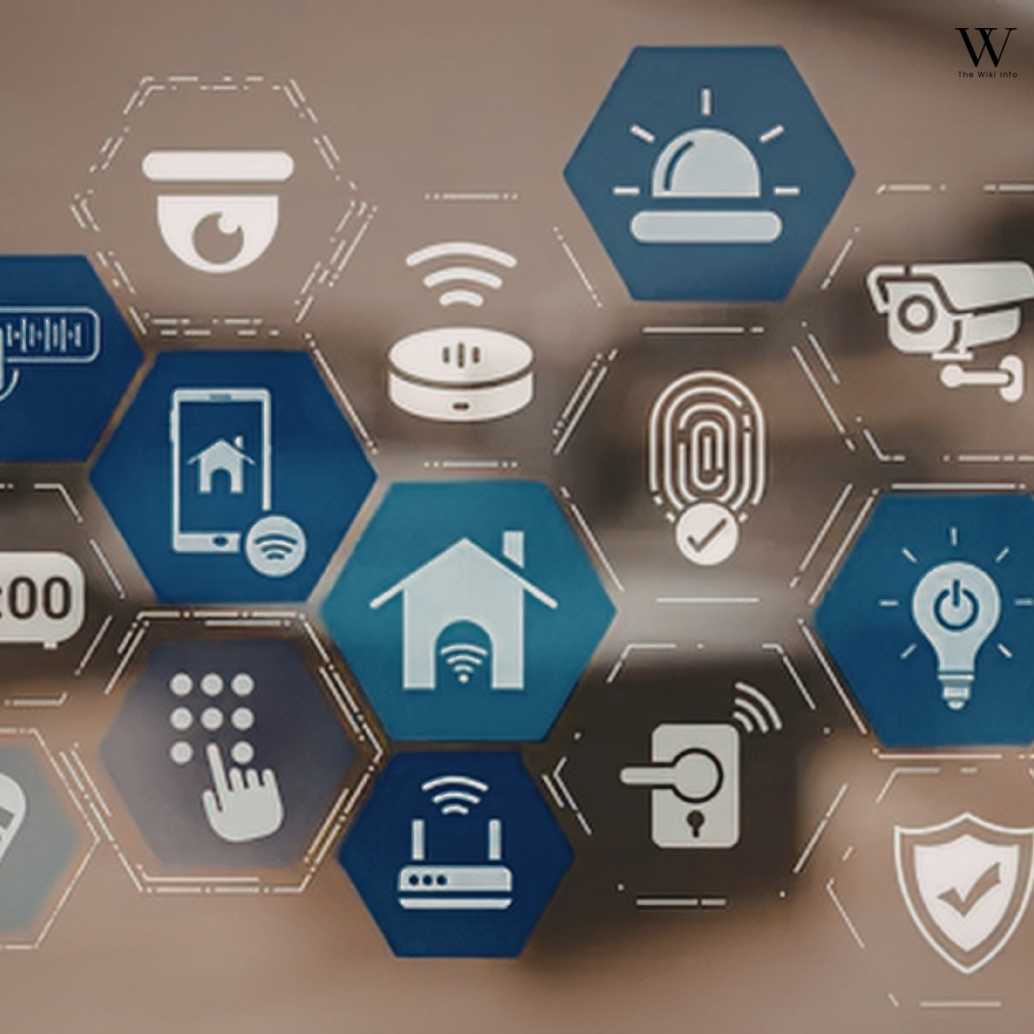
Gaming devices, smart TVs, speakers, cameras, routers, and other connected devices can make life easier, but they also need regular care. These tools connect to your home network, store account data, and sometimes collect personal information, so performance and security both matter.
Good digital habits help you avoid lag, account theft, privacy issues, and unsafe device settings. Tips for Tech Beaconsoft should cover not only phones and laptops but also gaming setups and smart home technology because these are now part of everyday digital life.
Gaming Performance Tips
For better gaming performance, keep your device updated, free up storage, use a stable internet connection, close background apps, adjust graphics settings, and keep your device cool. Also protect your gaming account with a strong password and multi-factor authentication if the platform supports it.
- Use wired internet or strong Wi-Fi for online games.
- Keep your graphics drivers and game updates current.
- Close heavy apps before launching games.
- Lower graphics settings if your device overheats.
- Avoid unofficial mods or downloads from unsafe websites.
- Protect gaming accounts with unique passwords.
- Check privacy settings for voice chat and friend requests.
- Keep enough free storage for updates and game files.
Smart Home Safety Tips
Change default passwords on routers, cameras, smart locks, and connected devices as soon as possible. Use guest Wi-Fi for smart home devices when available, update firmware regularly, turn off features you do not use, and check camera or microphone settings so your home privacy stays protected.
For gaming-focused users, Tech Hacks PBLinuxGaming is a useful related guide for improving the way you handle gaming tools and setups.
For gaming-focused users, Tech Hacks PBLinuxGaming is a useful related guide for improving the way you handle gaming tools and setups.
Software, Apps, Subscriptions, and Update Management
Apps and software can help you work faster, but too many tools can also slow you down. When your phone, laptop, or browser is crowded with unused apps, free trials, duplicate tools, and old extensions, it becomes harder to stay organized and safe.
Tips for Tech Beaconsoft works best when you treat apps like tools, not clutter. Keep what you actually use, remove what you do not need, update trusted apps regularly, and be careful with software that asks for too many permissions or comes from unknown websites.
App Management Checklist
Review your apps at least once a month. Delete unused apps, check permissions, turn off unnecessary notifications, remove duplicate tools, update trusted apps, and avoid downloading software from random pop-ups, unofficial links, or websites that promise unrealistic speed boosts.
| App Check | What to Do | Why It Helps |
| Unused apps | Delete apps you no longer open | Frees storage and reduces clutter |
| Permissions | Review camera, location, contacts, and microphone access | Improves privacy |
| Notifications | Turn off alerts you do not need | Reduces distractions |
| Duplicate tools | Keep one trusted app for each task | Avoids confusion |
| Updates | Update apps from trusted stores | Fixes bugs and security issues |
| Downloads | Avoid unknown files and fake installers | Reduces malware risk |
Subscription Management Tips
Check your paid apps, trials, streaming services, cloud plans, software tools, and gaming subscriptions every month. Set calendar reminders before free trials renew, cancel tools you no longer use, compare monthly vs yearly plans carefully, and make sure you are not paying twice for the same feature.
When checking app updates or PC software changes, Lightniteone New Version for PC is a useful example of why users should verify versions before downloading.
Productivity, Digital Wellbeing, and Learning Habits
Good technology habits should make your day easier, not busier. If your phone is always buzzing, your inbox is messy, your tabs are out of control, and every app wants attention, even useful tools can start feeling stressful.
The goal is to build a system that helps you focus. Tips for Tech Beaconsoft should guide you toward better notifications, cleaner workflows, useful shortcuts, smarter learning habits, and healthier screen time without making technology feel like another job.
Better Productivity Habits
Use focus modes, calendar reminders, cloud notes, keyboard shortcuts, task lists, bookmarks, and weekly cleanup sessions to stay organized. Batch notifications when possible, keep important files in clear folders, and use automation only for tasks that truly repeat often.
For a broader look at future-focused digital trends, Droven io future technology usa can help you understand how new technology is shaping everyday tools.
Digital Wellbeing Tips
Set screen time limits for apps that distract you, use sleep mode at night, turn off nonessential alerts, and keep your home screen simple. Digital wellbeing is not about quitting technology; it is about using it in a way that supports your focus, sleep, work, and peace of mind.
If you also care about digital habits around money, tools, and online platforms, Kenneth MyGreenBucks Net is a useful related read.
Buying New Tech Devices and Avoiding Tech Myths

Buying new technology can feel confusing because every brand promises better speed, sharper cameras, stronger batteries, and smarter features. The real question is not which device looks best in an ad. It is which device fits your actual use, budget, storage needs, work habits, and long-term value.
Before you buy, slow down and check the basics. Tips for Tech Beaconsoft can help you compare real needs instead of falling for hype, especially when choosing phones, laptops, routers, storage drives, gaming gear, smart home devices, or accessories.
Tech Buying Checklist
Before buying a device, check your budget, warranty, return policy, storage, RAM, battery life, repair options, software update support, compatibility, user reviews, and the exact reason you need it. A cheaper device can still be a smart choice if it fits your daily use well.
| Buying Factor | What to Check |
| Budget | Know your maximum price before comparing models |
| Use case | Match the device to work, study, gaming, or travel |
| Storage | Choose enough space for apps, files, photos, and updates |
| Battery | Check real-world battery feedback, not only claims |
| Compatibility | Make sure it works with your apps and accessories |
| Warranty | Review repair, replacement, and return options |
| Reviews | Look for repeated complaints, not only star ratings |
Before buying a new laptop or tech device, you can also check TheLaptopAdviser Buyer Guide for a practical look at choosing better hardware.
Common Tech Myths vs Facts
Not every popular tech claim is true. More megapixels do not always mean a better camera, more RAM does not always fix bad software, free VPNs are not always safe, and closing every app on your phone does not always save battery. Real performance depends on the full system.
| Myth | Fact |
| More megapixels always mean better photos | Sensor quality and processing matter too |
| More RAM always means faster performance | Software optimization also matters |
| Free VPNs are always safe | Some may track or limit your data |
| Closing all mobile apps saves battery | It can sometimes use more power when reopening |
| Expensive always means better | The best device depends on your actual needs |
Before buying a new laptop or tech device, check TheLaptopAdviser Buyer Guide for a practical look at choosing better hardware.
Common Mistakes, Pros, and Cons of Tech Tip Websites
Tech tip websites can be helpful when they explain things clearly and point you toward safe actions. They become risky when they make big claims, push fake downloads, copy outdated advice, or recommend tools without explaining privacy, security, or real-world limitations.
A smart reader checks the date, source, screenshots, official documentation, and whether the advice still applies to current devices. Tips for Tech Beaconsoft should always keep you focused on practical steps, not hype or confusing claims.
Common Mistakes Tech Users Should Avoid
Avoid reusing passwords, skipping backups, ignoring updates, downloading random files, trusting every AI answer, giving apps too many permissions, buying devices only because they are trending, and signing up for tools without checking privacy policies or official sources.
Before signing up for any tool, downloading software, buying a device, or sharing personal information, verify the details from the official website, trusted app store, device manufacturer, or a reliable cybersecurity source.
Pros and Cons of Following Tech Tip Websites
A good tech guide can save time, explain confusing settings, help you avoid mistakes, and show useful tools. The downside is that some sites publish outdated advice, weak security tips, unsupported claims, or generic recommendations that do not fit your device or situation.
| Pros | Cons |
| Easy way to learn quick fixes | Advice may become outdated |
| Helps beginners understand settings | Some claims may be unsupported |
| Can improve safety and productivity | Fake download links can be risky |
| Explains tools in simple language | Not every tip fits every device |
| Saves time during troubleshooting | Some sites overuse hype |
To compare another informational tech-style guide, you can read BenchInfo and see how different platforms explain digital topics.
FAQs about Tips for Tech Beaconsoft
These quick answers cover the most common things readers need to know before using this guide. Keep them simple, practical, and focused on what helps you make safer and smarter technology decisions.
Tips for Tech Beaconsoft is useful because it brings device performance, online safety, cloud storage, app control, AI tools, gaming habits, and buying decisions into one simple guide. The goal is to help you take action without needing advanced technical knowledge.
What are some good tech tips?
Good tech tips include updating your software regularly, using strong passwords, enabling multi-factor authentication, backing up important files, reviewing app permissions, avoiding suspicious links, and keeping your device storage clean. These habits improve speed, privacy, and online safety.
How to be good at tech?
To be good at tech, start with the basics and practice daily. Learn how your devices work, understand online safety, try useful tools, solve small problems yourself, and keep learning about software, AI, cloud storage, and cybersecurity.
What are top 3 tech skills?
The top 3 tech skills are artificial intelligence, cybersecurity, and cloud computing. These skills matter because modern businesses depend on automation, secure systems, online platforms, data protection, and scalable digital tools.
Who are the big 5 in tech?
The Big 5 in tech usually refers to Alphabet, Amazon, Apple, Meta, and Microsoft. These companies are known for their major role in search, cloud computing, e-commerce, software, social media, devices, AI, and digital services.
What is Tips for Tech Beaconsoft?
Tips for Tech Beaconsoft is a practical technology guide that helps you improve device speed, manage apps, protect online accounts, use AI tools carefully, back up files, and make smarter tech decisions. It focuses on simple habits that everyday users can apply.
Who should read Tips for Tech Beaconsoft?
This guide is useful for students, beginners, remote workers, freelancers, gamers, small business owners, and everyday users who depend on phones, laptops, browsers, apps, cloud storage, and online accounts. It is written for people who want clear help without technical confusion.
Does Tips for Tech Beaconsoft help beginners?
Yes, it helps beginners because it explains technology in simple steps. You can start with basic actions like updating software, deleting unused apps, using strong passwords, enabling multi-factor authentication, checking app permissions, and backing up important files safely.
What are the most important tech tips to follow first?
Start with the basics: update your devices, use unique passwords, turn on multi-factor authentication, remove apps you do not use, avoid suspicious links, check app permissions, and back up important files. These habits solve many common performance, privacy, and security problems.
Is Beaconsoft mainly about software, phones, or general tech?
Beaconsoft-style content is usually connected with general technology guidance, including software, phones, apps, AI tools, cloud storage, cybersecurity, gaming, digital trends, and smart device habits. The safest approach is to treat it as a practical tech-learning topic, not a verified product claim.
How often should users update their tech habits?
Review your tech habits at least once a month. Check app permissions, passwords, subscriptions, backups, software updates, browser extensions, cloud storage, and privacy settings. A monthly review keeps your devices cleaner, your accounts safer, and your digital life easier to manage.
Conclusion
Technology feels much easier when you stop trying to fix everything at once and start with the habits that matter most. Tips for Tech Beaconsoft gives you a simple path: keep your devices updated, clean unnecessary storage, protect your accounts, review app permissions, use cloud storage carefully, and avoid tools that look helpful but create more risk.
The best tech routine is not about chasing every new trend. It is about making your phone, laptop, apps, AI tools, gaming setup, and online accounts work better for your real life. Start with one section, apply a few changes today, and build from there. Small tech habits can make your devices faster, your data safer, and your digital life much easier to manage.
For phone privacy, account protection, and safer browsing tips, check the Google Safety Center because mobile security settings can change after updates.

Welcome to TheWikiInfo! I am a digital content creator and researcher dedicated to breaking down complex topics into simple, actionable guides. With a deep passion for tech innovations, gaming updates, travel schedules, and pop culture trends, I aim to provide our readers with accurate, well-structured, and easy-to-understand information to solve their everyday queries.