Technology is moving so fast that it can feel hard to know what actually matters and what is just another buzzword. When you come across a phrase like Droven io future technology usa, you may wonder if it is a platform, a trend, a business solution, or simply a guide to what is changing in American tech.
Droven io future technology usa refers to Droven.io’s coverage of future-focused technology trends shaping America, including artificial intelligence, automation, cloud computing, cybersecurity, IoT, robotics, digital twins, startups, and tech careers. It helps you understand how these changes affect business growth, job skills, online work, and digital innovation in the United States.
In this guide, you’ll get a clear and practical breakdown without heavy technical language. We’ll look at what it means, how AI and cloud systems connect to it, why cybersecurity matters, what skills are worth learning, and what you should check before trusting any fast-changing tech claim.
Clear Meaning of Droven io Future Technology USA

Droven io future technology usa is best understood as a simple guide-style topic around the future of technology in America. It connects Droven.io’s tech coverage with major digital shifts like artificial intelligence, automation, cloud computing, cybersecurity, smart devices, robotics, and the future of work.
In plain words, Droven io future technology usa helps you understand how modern technology is changing businesses, careers, online work, and everyday digital life in the United States. It is not something you should treat as one single app or physical product. It is more useful as a broad tech idea that explains where digital innovation is moving and what you can learn from it.
Quick Overview of the Platform and Topic
Droven.io appears to work like an informational technology platform that talks about future-focused digital trends in a way that regular users, students, developers, freelancers, and business owners can understand. Instead of looking at AI, cloud, cybersecurity, and automation as separate topics, this idea connects them into one bigger picture.
That bigger picture matters because most modern tools now work together. AI needs cloud systems. Automation needs data. Smart devices need cybersecurity. Future jobs need updated skills. When you understand this connection, it becomes easier to decide what to learn, what to use, and what to verify before trusting a new tool or trend.
| Area | Simple Explanation |
| Main Focus | Future technology trends in the United States |
| Platform Angle | Droven.io-style coverage of AI, cloud, automation, cybersecurity, and digital growth |
| Best For | Students, business owners, freelancers, developers, and tech-curious users |
| Core Technologies | AI, cloud computing, cybersecurity, IoT, robotics, digital twins, and automation |
| Main Benefit | Makes complex tech changes easier to understand |
| Main Caution | Fast-changing claims should be checked from official or trusted sources |
What Droven.io Appears to Cover
Droven.io appears to focus on practical technology topics such as artificial intelligence, software development, digital transformation, cloud computing, cybersecurity, startup trends, online tools, and future work. This makes it useful for someone who wants a clearer view of what is happening in modern tech without getting buried in heavy technical language.
The helpful part is that the topic can serve different needs at the same time. A student may use it to understand future tech skills. A business owner may use it to understand automation and customer support tools. A freelancer may use it to explore AI-powered work opportunities. A developer may use it to follow cloud, DevOps, and software trends.
If you like simple guides that explain digital platforms and online tools, BenchInfo can also be added as a related read for understanding tech information in an easier way.
Main Technologies Behind the Future Tech Ecosystem
The future tech ecosystem is not built around one technology only. It is built around several systems working together. Artificial intelligence helps tools make smarter decisions, cloud computing gives those tools space and power to run, cybersecurity protects the digital environment, and automation helps businesses reduce repeated manual work.
This is why Droven IO Future Technology USA should be explained as a connected digital system, not a single trend. The strongest understanding comes when you see how AI, cloud, edge systems, IoT, robotics, digital twins, and data infrastructure support each other in real business and everyday use.
| Technology | Simple Meaning | Main Use in the USA |
| Artificial Intelligence | Smart systems that learn, respond, and assist | Customer support, analytics, coding help, fraud detection |
| Cloud Computing | Online storage, servers, and digital infrastructure | Apps, websites, remote work, AI workloads |
| Edge Computing | Processing data closer to the device or user | Smart factories, IoT devices, real-time systems |
| Cybersecurity | Protecting accounts, data, systems, and networks | Business safety, identity protection, threat prevention |
| IoT | Connected devices that collect and share data | Smart homes, logistics, healthcare monitoring, factories |
| Robotics | Machines that complete physical or repeated tasks | Warehouses, manufacturing, healthcare support |
| Digital Twins | Virtual copies of real systems | Testing, prediction, maintenance, planning |
| Semiconductors | Chips that power digital devices and AI systems | Data centers, computers, smart devices, advanced hardware |
Artificial Intelligence as the Main Driver
Artificial intelligence is the strongest force behind this topic because it now touches almost every part of digital life. Businesses use AI for customer support, data analysis, document handling, fraud detection, marketing workflows, software coding, and daily productivity. It is no longer only a futuristic idea; it is already part of normal business tools.
For you, the practical value is simple: AI can help you save time, understand data faster, and handle routine tasks with less manual effort. Still, it should not be used blindly. AI tools can make mistakes, repeat outdated information, or create privacy risks, so human checking is still important before using AI for serious business, money, health, or security decisions.
Real-World AI Uses in the USA
In the United States, AI is being used by small businesses for chat support, by online stores for product recommendations, by software teams for coding help, by marketers for campaign planning, by finance teams for fraud alerts, by schools for learning support, and by healthcare teams for workflow assistance. The best use is not replacing human judgment, but helping people work faster and make better decisions with clearer information.
AI Automation Tools for Modern Businesses
AI automation tools help businesses handle repeated tasks without needing someone to manage every small step by hand. These tools can sort emails, send follow-up messages, update customer records, process simple documents, create reports, schedule tasks, and route customer requests to the right person.
For a small business, this can save time and reduce daily pressure. For a larger company, it can make teams faster and more organized. The smart approach is to start with one clear problem, such as slow customer replies or manual invoice tracking, then use automation to fix that specific workflow before adding more tools.
Cloud Computing, Edge Systems, and Scalable Infrastructure
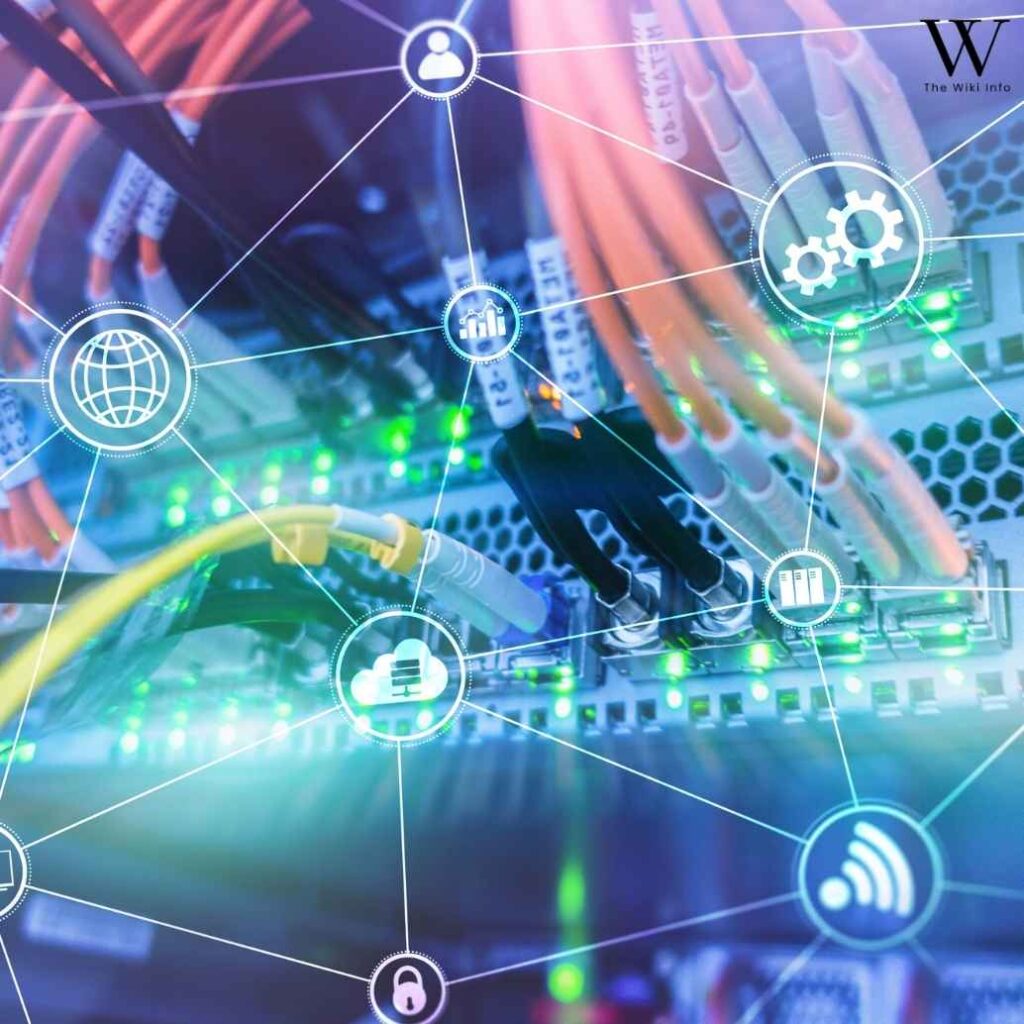
Cloud computing gives businesses access to storage, apps, servers, and computing power through the internet instead of relying only on local machines. This is why many companies use platforms like AWS, Microsoft Azure, or Google Cloud to run websites, apps, databases, remote work systems, and AI-powered services.
Edge computing works a little differently because it processes data closer to where it is created. That matters for smart factories, connected vehicles, healthcare devices, security cameras, and other systems that need quick responses. In the Droven io future technology usa conversation, cloud and edge systems are important because they give AI, automation, and connected devices the power to work smoothly.
Readers who enjoy system performance, Linux tools, and gaming-related tech tips may also find Tech Hacks PBLinuxGaming useful for understanding how digital setups can be improved in practical ways.
Cybersecurity, AI Safety, and Digital Trust
The more businesses use AI, cloud tools, smart devices, and online platforms, the more important cybersecurity becomes. Cyberattacks are no longer limited to weak passwords or obvious scam emails. Today, businesses also face AI-generated phishing, fake messages, identity theft, ransomware, data leaks, and attacks on cloud systems.
Digital trust means using technology in a way that protects people, data, and business operations. Before using a new tool, you should check how it handles privacy, account security, user access, and sensitive information. A useful future-tech guide should never talk only about innovation; it should also explain the risks that come with it.
Basic safety checklist
- Use multi-factor authentication for important accounts.
- Keep software, plugins, and devices updated.
- Avoid sharing private business data with unknown tools.
- Use strong passwords and a trusted password manager.
- Check privacy policies before signing up for new platforms.
- Train team members to recognize phishing and fake links.
- Back up important files regularly.
- Limit admin access to people who truly need it.
For safer AI adoption, you can review the NIST AI Risk Management Framework to understand how AI risks should be managed before using advanced systems in sensitive business workflows.
IoT and Smart Devices in America’s Connected Future
The Internet of Things, or IoT, connects everyday devices to the internet so they can collect, send, and use data. This includes smart home devices, health monitors, factory sensors, delivery trackers, retail systems, building controls, and connected vehicles. These devices help people and businesses see what is happening in real time.
The benefit is better control, faster alerts, and smarter decision-making. A factory can detect machine issues early. A logistics company can track deliveries more accurately. A homeowner can manage security or energy use from a phone. The caution is privacy and security, because every connected device can become a weak point if it is not protected properly.
Since gaming is also becoming more connected through cloud platforms, smart devices, and interactive systems, Gaming Playmyworld fits naturally as a related read for users interested in digital entertainment trends.
Robotics and Industrial Automation in the USA
Robotics is where future technology moves from screens into the physical world. In the United States, robots are already used in warehouses, factories, logistics centers, hospitals, farms, and manufacturing lines. They can lift, sort, scan, package, inspect, and repeat physical tasks with speed and consistency.
This does not mean every human job disappears. In many cases, robotics changes the kind of work people do. Instead of repeating the same physical task all day, workers may manage systems, solve problems, maintain machines, analyze performance, or handle work that needs judgment. That is why robotics belongs inside any complete guide to Droven IO Future Technology USA.
Digital Twins and Predictive Simulation
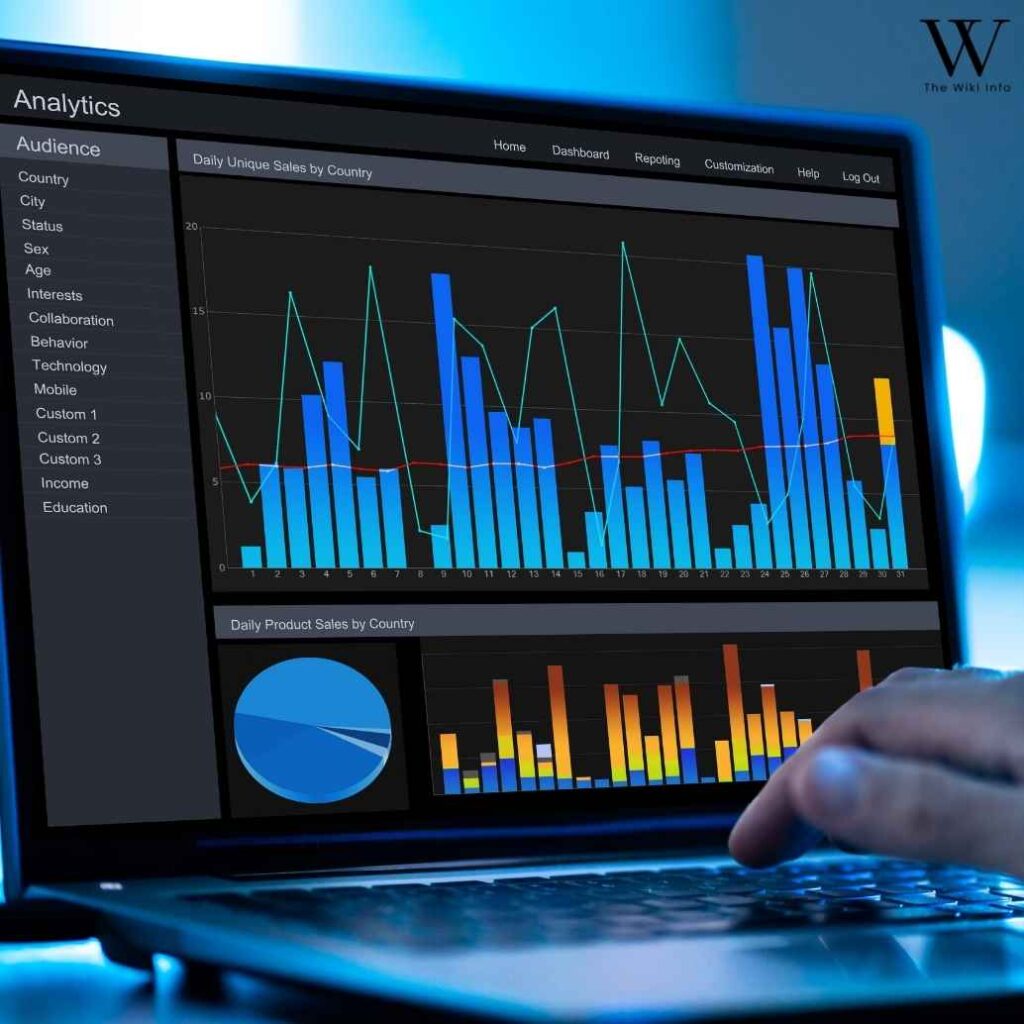
Digital twins are virtual models of real systems, machines, buildings, factories, or processes. They help businesses test ideas, predict problems, and understand performance before making expensive changes in the real world. For example, a manufacturer can use a digital twin to see when a machine may need maintenance before it breaks down.
This technology is becoming more important because it connects AI, IoT sensors, cloud systems, and data analytics in one practical setup. In the Droven io future technology usa topic, digital twins show how future technology is not only about apps or online tools. It is also about using smart data to improve physical systems, reduce downtime, and make better planning decisions.
Data Centers, Chips, and Energy Behind Future Technology
Future technology needs strong physical infrastructure behind it. AI tools, cloud platforms, smart devices, and automation systems all depend on data centers, advanced chips, fast networks, storage systems, and reliable power. Without these foundations, even the smartest software cannot work at scale.
This is why semiconductors, energy use, cooling systems, and data-center growth are part of the bigger future-tech conversation. As more businesses use AI and cloud services, the demand for computing power will keep rising. A good technology strategy should look beyond the tool itself and also consider speed, reliability, cost, privacy, and energy needs.
Key infrastructure areas to understand
- Data centers that run cloud services and AI workloads.
- Semiconductors that power devices, servers, and smart systems.
- Energy supply that keeps digital infrastructure running.
- Cooling systems that protect high-performance machines.
- Broadband and network speed for reliable access.
- Backup systems that reduce downtime during failures.
- Security layers that protect stored and moving data.
Startups and Venture Innovation in the US Tech Market
Startups play a major role in America’s future technology ecosystem because they often move faster than large companies. Many new tools in AI, cybersecurity, cloud automation, robotics, developer software, and business intelligence begin with small teams solving one focused problem in a smarter way.
For you, startups are worth watching because they often reveal where technology is heading next. A simple tool that begins as a small product can later become part of daily business operations. In Droven IO Future Technology USA, startup innovation matters because it connects new ideas, investor interest, business needs, and real-world technology adoption.
Future Technology Careers and Skills in Demand
Future technology is changing the job market, but it is also creating new paths for people willing to learn. Skills connected to AI, cloud computing, cybersecurity, DevOps, data analytics, automation, software development, and digital marketing are becoming more useful across many industries. Even non-technical workers benefit from understanding how modern tools work.
You do not always need to master everything at once. The smarter move is to choose one direction and build practical proof through small projects. Employers and clients often care about what you can do, how clearly you can solve problems, and whether you can keep learning as tools change.
Beginner Learning Path
Start with basic digital skills, then learn how AI tools work in real situations. After that, choose one path such as cloud, cybersecurity, data, DevOps, automation, or software development. Build two or three small projects, create a simple portfolio, apply for beginner roles or freelance work, and keep updating your skills as new tools appear.
If you are planning to learn coding, cloud tools, or AI skills, a helpful resource like TheLaptopAdviser Buyer Guide can make it easier to choose the right laptop for long-term tech learning.
Online Income Paths Connected to Future Technology
Future technology can also create online income opportunities, especially for people who build useful skills. AI automation freelancing, cloud support, DevOps assistance, cybersecurity audits, AI-assisted content workflows, digital marketing, no-code systems, and tech education can all become practical earning paths when done with real skill and consistency.
Still, you should be careful with exaggerated earning claims. No tool can guarantee income by itself. The better approach is to learn one service, practice it, build proof, and solve real problems for clients or businesses. Future technology can open doors, but your results depend on skill, trust, patience, and useful execution.
If you want to explore digital earning ideas beyond AI tools and freelance services, Kenneth MyGreenBucks Net can be added as a related guide for online money and smart financial learning.
Droven IO Smart Business Solutions for Small Companies

Small companies do not always need complex systems to benefit from future technology. A small business can start with simple tools for customer messages, appointment booking, invoice tracking, email follow-ups, social media planning, analytics, and cloud storage. The goal is not to use every new tool, but to make daily work easier and more organized.
For small teams, Droven io future technology usa is useful because it shows how smart business solutions can work in practical ways. A local service business can use AI chat support. An online store can use automation for order updates. A consultant can use cloud tools to manage files and clients. These small improvements can save time, reduce errors, and help the business look more professional.
Benefits and Challenges of Future Technology Adoption
Future technology can help businesses move faster, serve customers better, and make smarter decisions. AI can reduce repetitive work, cloud systems can support remote teams, automation can improve workflow speed, and analytics can turn raw information into useful business insights.
The challenge is that new technology also brings risks. Some tools are expensive, some are hard to set up, and some may create privacy or security problems if used carelessly. Before adopting any platform, you should check its real use case, support options, privacy policy, pricing, and whether your team can actually use it well.
| Benefits | Challenges |
| Faster workflows | Security risks |
| Better decision-making | Training gaps |
| Less manual work | Tool overload |
| Improved customer experience | Data privacy concerns |
| More remote flexibility | Cost uncertainty |
| New online income paths | Misinformation and hype |
| Better business scalability | Integration problems |
Common Myths About Future Technology
Future technology often sounds more confusing than it really is because people hear extreme claims from both sides. Some say AI will replace every worker, while others act like new tools are only hype. The truth is usually in the middle. Technology changes work, but people still need judgment, creativity, communication, and problem-solving skills.
A practical guide to Droven IO Future Technology USA should help you separate useful ideas from exaggerated claims. The best way to understand future tech is to look at what it can actually do today, what still needs human control, and what should be tested carefully before you rely on it.
- AI will not replace every job, but it can change repeated tasks.
- Cloud computing is not only for big companies; small businesses use it too.
- Cybersecurity is not only for experts; every user needs basic safety habits.
- Automation is not always expensive; many simple tools are affordable.
- Future technology is not only about robots; it includes software, data, cloud, and security.
- AI tools are not always accurate, so important information still needs checking.
- Online income with tech is possible, but it takes skill and real work.
- New tools are not always better than old systems if they do not solve a real problem.
Future Scope for the Next 3 to 5 Years

The next few years will likely bring more AI-native work, stronger cybersecurity tools, deeper cloud and edge computing adoption, smarter automation, better digital trust systems, and more specialized AI tools for different industries. Businesses will not only ask what a tool can do; they will ask whether it saves time, protects data, improves decisions, and fits real operations.
For workers, the future scope is also practical. Skills like AI literacy, cloud basics, cybersecurity awareness, data understanding, automation setup, and digital communication will matter more across many roles. The safest approach is to keep learning, build small projects, verify fast-changing claims, and avoid depending on one tool or trend too heavily.
Smart mobility is also becoming part of future technology, and guides like Trimet Max Trip Planner show how digital route planning can make public transportation easier for everyday users.
Frequently Asked Questions
What is Droven IO Future Technology USA?
Droven IO Future Technology USA is a guide-style topic about Droven.io’s coverage of future technology trends in America, including AI, automation, cloud computing, cybersecurity, IoT, robotics, digital twins, startups, and tech careers. It helps you understand how these digital changes affect business, work, and everyday technology.
Is Droven.io a software product or information platform?
Droven.io appears to be more of an information and technology content platform than a single software product. It covers topics such as artificial intelligence, cloud computing, digital transformation, cybersecurity, future work, and tech trends. Before trusting any claim, you should check the official website or trusted sources.
Which technologies are part of Droven IO Future Technology USA?
The main technologies include artificial intelligence, machine learning, automation, cloud computing, edge computing, cybersecurity, IoT, robotics, digital twins, data analytics, semiconductors, and smart business systems. These technologies often work together instead of standing alone.
How does Droven IO Future Technology USA help businesses?
It helps businesses understand which technologies can improve workflow speed, customer experience, decision-making, security, and digital growth. A business can use this topic to learn about automation, AI support, cloud systems, cybersecurity basics, and smarter ways to manage daily operations.
Can beginners learn tech skills from this topic?
Yes, beginners can use this topic as a starting point for learning future-ready skills. A good path begins with basic digital literacy, then moves into AI tools, cloud basics, cybersecurity awareness, data skills, automation workflows, or software development depending on the person’s goal.
What careers are connected to future technology in the USA?
Careers connected to future technology include AI specialist, cloud engineer, cybersecurity analyst, DevOps engineer, data analyst, software developer, automation consultant, prompt engineer, digital marketer, and AI product manager. Many roles also need communication, project management, and problem-solving skills.
How often should this guide be updated?
This guide should be updated often because AI tools, cloud services, cybersecurity threats, startup trends, salary estimates, certifications, and software features can change quickly. Any exact pricing, earning claim, job number, or tool feature should be verified from an official or trusted source before acting on it.
Conclusion
Droven io future technology usa is not just about one platform or one digital trend. It brings together the bigger picture of how artificial intelligence, cloud computing, automation, cybersecurity, IoT, robotics, digital twins, and future work are shaping technology in America.
The most useful way to look at this topic is through practical value. If you are a student, business owner, freelancer, developer, or tech-curious reader, it can help you understand what skills to learn, what tools to explore, and where to be careful before trusting fast-changing claims.
Future technology will keep moving quickly, but you do not need to learn everything at once. Start with the basics, follow trusted sources, protect your data, build real skills, and focus on tools that solve real problems instead of chasing every new trend.
You can also visit the Droven.io official website to confirm its latest technology topics, platform updates, and future-tech coverage before relying on third-party summaries.

Welcome to TheWikiInfo! I am a digital content creator and researcher dedicated to breaking down complex topics into simple, actionable guides. With a deep passion for tech innovations, gaming updates, travel schedules, and pop culture trends, I aim to provide our readers with accurate, well-structured, and easy-to-understand information to solve their everyday queries.
13 thoughts on “Droven io Future Technology USA: The Hidden Tech Shift That Could Change How America Works”