If you’ve seen the phrase Gamificationsummit Work Xendit online, it’s easy to feel a little confused. It sounds like a mix of workplace tools, payment systems, event ticketing, and employee rewards all at once. And when different websites explain it in different ways, it becomes hard to know what’s real, what’s useful, and what you should actually trust.
Gamificationsummit Work Xendit refers to the discussion around workplace gamification, Xendit-style payment systems, event engagement, and digital workflow tools. It connects ideas like employee motivation, reward systems, ticketing, payment processing, progress tracking, and business productivity, but official Xendit details should always be verified before trusting specific claims.
This guide breaks everything down in simple words so you can understand how it works, where Xendit fits, and why businesses, employees, and event organizers may find the concept useful. You’ll also learn what details to verify before trusting any ticket, reward, payment page, or official event claim.
Gamificationsummit Work Xendit Quick Overview

Gamificationsummit Work Xendit is best understood as a mix of workplace gamification, fintech payment tools, employee engagement ideas, and event-based digital experiences. The phrase can sound confusing at first because it combines several topics in one place, but the core idea is simple: using game-style systems and payment technology to make work, events, onboarding, and user actions more interactive.
The safest way to approach this topic is to separate verified Xendit information from general online discussion. Xendit is a real financial technology company that provides payment gateway services, online payment methods, payouts, and business payment infrastructure across Southeast Asia, but any specific claim about a named GamificationSummit event, ticket price, reward amount, or internal company program should be checked through official sources first.
| Element | Meaning |
| Main topic | Workplace gamification, fintech systems, and event engagement |
| Related company | Xendit |
| Main angle | Employee motivation, ticketing, payments, and digital workflows |
| Best audience | Business owners, HR teams, event organizers, fintech users |
| Main benefit | Clearer engagement, smoother payment flow, and measurable activity |
| Accuracy note | Verify official Xendit details before trusting specific claims |
Simple Meaning and Main Concept
At its simplest, Gamificationsummit Work Xendit describes the idea of connecting gamification methods with Xendit-style digital payment systems and business workflows. That can include employee rewards, progress tracking, event participation, ticket payments, milestone badges, user onboarding, and dashboard-based performance tracking.
This does not mean every online claim about the topic is automatically official. A better way to read it is as a practical concept: how a fintech company, event organizer, or workplace team could use game mechanics and payment tools to make actions easier to complete, easier to measure, and more rewarding for the people involved.
Simple definition:
Gamificationsummit Work Xendit refers to the connection between workplace gamification, digital payments, event engagement, and business workflow tools, especially where Xendit-style payment technology may support registrations, rewards, transactions, or user onboarding.
For a deeper breakdown of the related concept, the Xendit Work Gamificationsummit guide explains how gamification and workplace engagement connect in simple terms.
Xendit’s Role in Digital Payment Systems
Xendit’s role is mainly about helping businesses accept and send payments through digital infrastructure. Its official website describes Xendit as a financial technology company that supports fast and secure business payments in Southeast Asia and beyond, including 100+ payment methods across markets such as Indonesia, the Philippines, Malaysia, Thailand, Vietnam, Singapore, and Hong Kong.
For this topic, Xendit matters because gamified systems often need a smooth payment or reward layer. An event may need ticket checkout, a platform may need payment confirmation, or a business may need payouts for rewards or incentives. Xendit’s docs also explain tools like Payment Links, API integration, and payouts, which can support online checkout and payment workflows.
- Online payment collection
- Payment links and hosted checkout pages
- API-based payment workflows
- Payouts to bank accounts and e-wallets
- Payment confirmation through webhooks
- Local and international payment support
- Business payment automation
- Secure checkout experiences
For official payment details, the Xendit official website explains how the company supports online payments, payment methods, payouts, and business payment infrastructure across Southeast Asia.
GamificationSummit as a Workplace Engagement Concept
GamificationSummit, as a concept, is about applying game-inspired thinking to real work or event experiences. It is not about turning a company into a video game. It is about using progress bars, points, badges, team challenges, instant feedback, and milestones to make important actions feel clearer and more motivating.
In a workplace setting, this can help teams understand what to do next, see how far they have progressed, and receive recognition before a big project is fully complete. In an event setting, it can encourage attendees to join sessions, complete activities, visit booths, answer polls, or participate in networking challenges.
| Traditional work system | Gamified work system |
| Tasks feel separate and routine | Tasks connect to visible progress |
| Feedback arrives late | Feedback appears quickly |
| Recognition is occasional | Recognition happens through milestones |
| Goals can feel unclear | Goals are broken into smaller steps |
| Participation may drop | Challenges encourage continued action |
| Rewards are fixed or delayed | Rewards can be timely and achievement-based |
Because gamification borrows many ideas from game-style engagement, Gaming Playmyworld can help explain how interactive digital experiences keep users involved.
Connection Between Xendit, Workflows, and Gamification
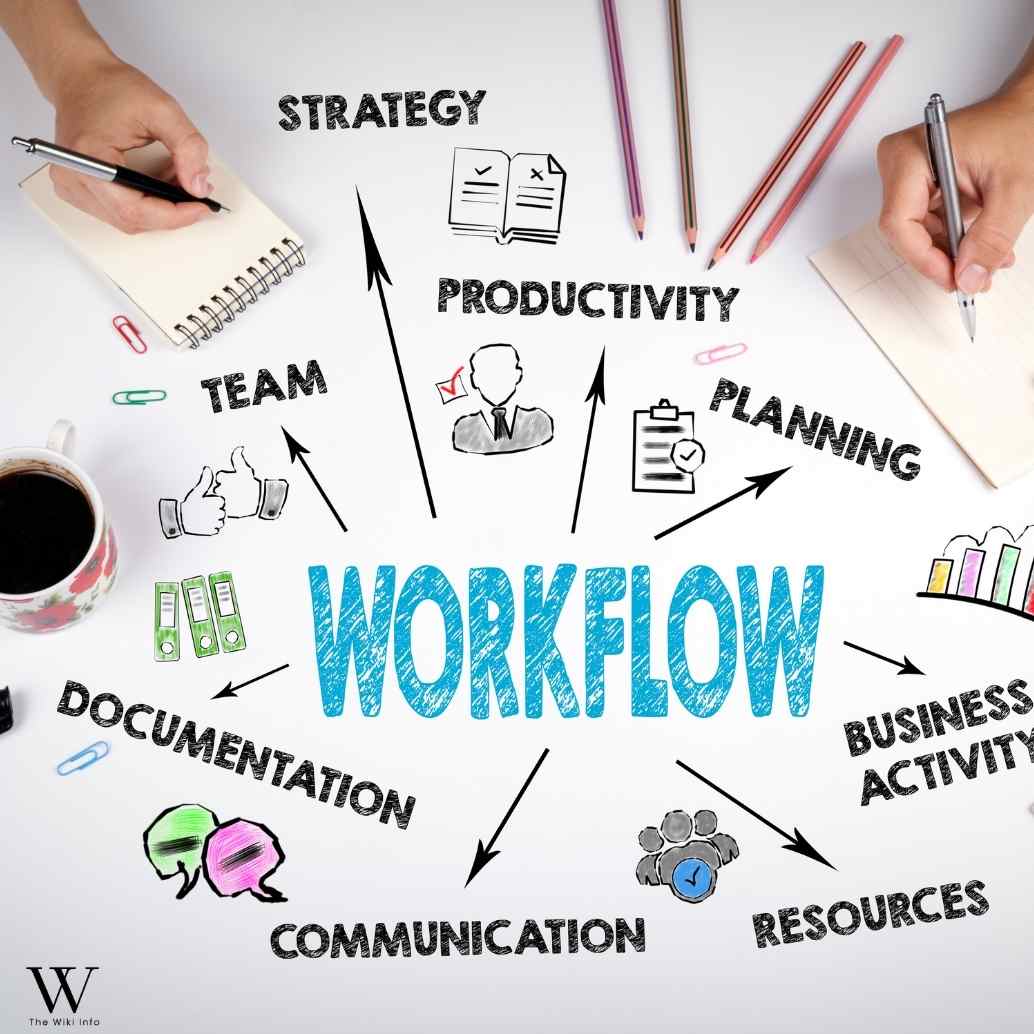
The connection between Xendit, workflows, and gamification becomes easier to understand when you think about the user journey. A person may register for an event, complete a task, unlock a badge, earn a reward, make a payment, or receive confirmation. Payment tools help handle the transaction side, while gamification tools help guide and motivate the action side.
For example, an event organizer could use a gamified dashboard to encourage attendees to complete sessions, while a payment gateway handles ticket purchases in the background. A business could use progress tracking for employee onboarding while payment or payout tools support incentives, refunds, or reward distribution when needed.
- User joins a platform, event, or workplace system
- User completes a task, step, payment, or registration
- The system gives progress feedback
- A badge, point, milestone, or reward may appear
- Payment confirmation or payout may happen where relevant
- The user is guided toward the next useful action
- Managers or organizers track the activity through dashboards
Since digital workflows often depend on cloud-based systems, the Droven.io cloud computing guide can help you understand how online platforms stay connected and scalable.
Core Features Linked With the Concept
The main features linked with this concept usually fall into two sides: engagement tools and payment tools. Engagement tools help people stay active, while payment tools help complete transactions, registrations, payouts, or reward-related actions with less friction.
A strong setup should feel simple for the user and useful for the business. If the system becomes too complex, people may stop participating, even if the technology behind it is powerful.
| Feature | Purpose | Best Use |
| Progress tracking | Shows how much has been completed | Onboarding, training, event activities |
| Points and rewards | Gives value to completed actions | Employee motivation, customer engagement |
| Team challenges | Encourages group participation | Workplace goals, workshops, internal campaigns |
| Leaderboards | Adds visibility and friendly competition | Sales teams, event participation, learning programs |
| Payment integration | Supports transactions or payouts | Ticketing, registrations, incentives |
| Analytics dashboard | Tracks activity and results | Managers, organizers, HR teams |
Progress Tracking
Progress tracking helps users see where they are and what still needs to be done. In a workplace or event system, this can turn a long process into smaller, easier steps that feel more manageable.
Points and Rewards
Points and rewards give users a reason to keep participating. The reward does not always have to be money; it can also be recognition, badges, access, ranking, certificates, or useful perks.
Team Challenges
Team challenges work well when the goal is collaboration instead of pressure. They encourage people to complete tasks together, share ideas, and feel like their progress supports a larger group outcome.
Leaderboards
Leaderboards can make activity more visible, but they should be used carefully. A good leaderboard celebrates effort and achievement without embarrassing people who are still learning or improving.
Payment Integration
Payment integration becomes useful when the experience includes ticket purchases, registration fees, refunds, payouts, or incentives. This is where a payment gateway can support the transaction side while gamification supports the engagement side.
Analytics Dashboard
An analytics dashboard helps organizers or managers understand what is working. It can show participation, completion rates, payment status, activity levels, and areas where users are dropping off.
For another example of how gaming and technology topics connect with user activity, Revolvertech Gaming gives extra context on digital engagement.
Benefits for Businesses and Teams
For businesses, Gamificationsummit Work Xendit can be useful because it connects motivation with measurable action. Instead of guessing whether people are engaged, companies can track progress, task completion, participation, and workflow movement through clearer systems.
Teams may also benefit from better communication and stronger alignment. When goals are broken into visible steps, employees can understand what matters, what comes next, and how their work connects to a bigger result.
- Better employee participation
- Clearer daily and weekly goals
- Faster onboarding for new users or employees
- More visible progress across teams
- Stronger collaboration between departments
- Easier tracking of business workflows
- More structured event or training participation
- Better customer engagement when used in product flows
- Less manual follow-up for organizers or managers
- More useful data for improving future campaigns
For another workplace-related guide, Can You Work Two w2 Jobs explains a different side of modern work planning and employee decisions.
Benefits for Employees and Event Participants
For employees, gamification can make routine work feel more structured and less invisible. When progress, effort, learning, and teamwork are recognized, people often feel more connected to the work they are doing.
For event participants, the same idea can make an event more active and easier to follow. Instead of simply attending sessions, participants may complete challenges, earn badges, unlock access, join polls, or track their event journey in real time.
| Employees | Event Participants |
| Clearer work goals | Easier registration flow |
| More visible progress | Faster payment confirmation |
| Better recognition | More interactive event experience |
| Motivation through milestones | Badges, rewards, or activity points |
| Stronger team connection | Guided session participation |
| Learning and skill growth | Better networking opportunities |
| Less boring routine work | Clearer event journey |
Gamification Mechanics That Improve Engagement

Gamification works best when the mechanics support a real goal. Points, badges, and rewards should not be added just for decoration; they should guide people toward useful actions like finishing onboarding, completing training, attending sessions, or improving service quality.
The best systems keep things simple. Users should understand what they need to do, why it matters, what progress they are making, and what happens after they complete the next step.
| Mechanic | How It Helps | Best Use |
| Progress bars | Makes completion visible | Onboarding, training, checkout steps |
| Badges | Recognizes achievement | Learning, event participation, employee milestones |
| Streaks | Encourages consistency | Daily tasks, learning habits, check-ins |
| Smart challenges | Matches tasks to user goals | Employee performance, product engagement |
| Variable rewards | Keeps interest active | Customer retention, repeat activity |
| Collaborative quests | Builds teamwork | Department goals, workshops, team projects |
Progress Bars
Progress bars are useful because they reduce confusion. When users can see that they are close to finishing a task, they are more likely to complete it instead of dropping off midway.
Badges and Achievements
Badges turn completed actions into visible recognition. They work well for training modules, event activities, employee milestones, and customer onboarding steps.
Streaks and Daily Wins
Streaks encourage people to stay consistent. Daily wins are especially helpful when the goal is to build momentum through small actions rather than waiting for one big achievement.
Smart Challenges
Smart challenges are designed around the user’s role, behavior, or goal. A customer support team, sales team, event attendee, and new employee should not all receive the same type of challenge.
Variable Rewards
Variable rewards add a small element of surprise. They can keep users interested, but they must stay fair, transparent, and connected to meaningful behavior.
Collaborative Quests
Collaborative quests reward teamwork instead of only individual performance. This can reduce unhealthy competition and help people work together toward shared outcomes.
To explore how digital systems and gaming-style experiences overlap, Tech Hacks PBLinuxGaming offers another useful technology-focused guide.
Xendit Payment Integration for Events and Ticketing
Payment integration is one of the most practical angles in this topic because events, workshops, and digital platforms often need a reliable checkout process. A payment gateway can help with ticket purchases, registration fees, payment confirmations, refunds, and transaction tracking.
Still, this section needs careful wording. Do not claim that Xendit officially powers a specific GamificationSummit ticketing system unless that detail is confirmed by an official source. The safer approach is to explain how a Xendit-style payment setup could support event ticketing or digital registrations.
- User selects an event ticket, workshop, or registration option
- Checkout page opens with available payment methods
- User chooses a payment option
- Payment gateway processes the transaction
- Confirmation is sent to the user
- Ticket, access code, or registration status is updated
- Organizer tracks payment and attendance data
- Refunds or payouts are managed if needed
For readers, the most important step is verification. Before buying a ticket, entering payment details, or sharing business information, check the official event page, official payment page, refund policy, organizer details, and security indicators.
If you are comparing event tools, checkout systems, or platform costs, Backtofrontshow Pricing can help you understand why pricing details should always be checked carefully.
Workplace Use Cases for Teams and Platforms
Gamificationsummit Work Xendit can be applied in several workplace and platform-based situations where people need guidance, motivation, and clear progress. The strongest use cases are usually found in onboarding, training, sales activity, customer support, event participation, and merchant workflows.
The key is to connect each game mechanic with a real business purpose. A badge should recognize something meaningful, a leaderboard should support healthy improvement, and a progress bar should help users finish an important action instead of leaving halfway through.
| Use Case | How It Can Help |
| Employee onboarding | Guides new employees through training steps and company processes |
| Sales team performance | Tracks useful actions like demos, follow-ups, and closed deals |
| Customer support operations | Rewards fast, helpful, and high-quality issue resolution |
| Learning and development | Encourages course completion, skill growth, and certifications |
| Merchant or user onboarding | Helps new users complete setup and reach their first useful action |
| Event attendance | Encourages session participation, networking, and activity completion |
Employee Onboarding
Employee onboarding becomes easier when new team members can see their progress clearly. A structured checklist, progress bar, and milestone system can help them complete training, understand company tools, and feel less lost during the first few weeks.
Sales Team Performance
Sales teams can use points and milestones to track useful actions beyond just final sales. Calls made, demos completed, follow-ups sent, and customer relationships built can all become part of a healthier performance system.
Customer Support Operations
Customer support gamification works best when it rewards both speed and quality. If the system only rewards fast replies, support quality may drop, so customer satisfaction and helpful resolution should be part of the measurement.
Learning and Development
Training can feel more engaging when employees earn badges, complete levels, and see progress toward certification. This works especially well for internal courses, compliance learning, software training, and professional development programs.
Merchant or User Onboarding
For fintech platforms, onboarding is a critical moment. A guided flow with progress tracking can help merchants complete account setup, verify required details, connect payment methods, and reach their first successful transaction.
Event Attendance and Participation
At events or virtual summits, gamification can encourage attendees to join sessions, answer polls, visit booths, network with others, and complete activities. This makes participation feel more active instead of passive.
If your team uses gaming laptops, tools, or digital platforms for work and training, TheLaptopAdviser Expert Gaming can support this tech-focused angle.
Implementation Roadmap for Companies
A company should not launch a gamified system just because it sounds modern. The better approach is to start with one clear problem, one target behavior, and one simple mechanic that can be tested without confusing the team.
This roadmap keeps the process practical. It helps you avoid building a complicated reward system before you know what actually motivates your employees, users, or event participants.
- Define the behavior you want to improve
- Choose one gamification mechanic
- Connect the mechanic to a real business goal
- Keep the reward structure simple
- Launch a small pilot first
- Track participation and completion
- Collect employee or user feedback
- Fix confusing steps before scaling
- Keep rewards fair and transparent
- Expand only after the system proves useful
A small pilot is safer than a full launch because it shows what works before more time and money are spent. If users ignore the system, misunderstand the rules, or feel pressured by the rewards, the company can adjust early instead of forcing a weak setup across everyone.
Metrics to Track Real Performance

Gamification should not be judged by excitement alone. A system may look fun on the surface, but if it does not improve completion, participation, learning, retention, or workflow quality, it may not be worth keeping.
The best metrics are simple, clear, and tied to the original goal. If the goal is onboarding, track completion. If the goal is event activity, track participation. If the goal is customer support, track helpful resolution and response quality.
| Metric | Why It Matters |
| Participation rate | Shows how many people are actually using the system |
| Completion rate | Shows whether users finish the intended action |
| Repeat activity | Shows whether users come back again |
| User feedback | Shows whether the experience feels helpful or annoying |
| Payment success rate | Useful for ticketing, checkout, or fintech workflows |
| Support resolution time | Useful for customer support teams |
| Learning completion rate | Useful for training and development programs |
| Employee recognition activity | Shows whether appreciation is becoming more visible |
| Drop-off points | Shows where users quit the process |
| Team collaboration rate | Shows whether group-based goals are working |
A good dashboard should not track everything just because it can. Too many metrics can make the system harder to understand, so choose one main KPI and a few supporting signals that explain what is really happening.
When reviewing dashboards, performance data, and business tracking, BenchInfo gives useful context on how digital information can be understood more clearly.
Safety Checks, Common Mistakes, and Final Verdict
This topic needs careful handling because it includes payment systems, event claims, workplace performance tracking, and online information that may not always be officially verified. Before trusting any ticket, reward, sign-up page, or payment request, confirm the details through the official organizer or official Xendit source.
The final verdict is simple: Gamificationsummit Work Xendit is useful as a concept when it is treated as a practical mix of gamification, payments, and engagement design. It becomes risky only when websites make unsupported claims about official events, guaranteed rewards, private company results, or payment links without proof.
| Common Mistake | Better Approach |
| Rewarding the wrong behavior | Reward actions that create real value |
| Making the system too complicated | Keep rules simple and easy to understand |
| Creating unhealthy competition | Balance leaderboards with team-based recognition |
| Ignoring employee feedback | Ask users what feels helpful, fair, or confusing |
| Publishing unverified Xendit claims | Check official sources before stating facts |
| Tracking too many metrics | Focus on one main KPI and a few support metrics |
| Offering unclear rewards | Explain what users can earn and how |
| Using unsafe payment links | Verify the page, organizer, and payment source first |
Rewarding the Wrong Behavior
If a system rewards only speed, people may rush through tasks and reduce quality. The better option is to reward meaningful behavior, such as helpful support, completed learning, accurate work, strong collaboration, or successful onboarding.
Making the System Too Complicated
A gamified system should be easy to understand quickly. If users need a long explanation to know how points, badges, or rewards work, the system is probably too complex.
Creating Unhealthy Competition
Leaderboards can motivate some people, but they can also discourage others. A healthier setup includes team goals, personal milestones, and recognition for improvement, not only public rankings.
Ignoring Employee Feedback
Employees and users should have a voice in the system. Feedback can show whether the rewards feel fair, the goals feel realistic, and the experience supports productivity instead of adding pressure.
Publishing Unverified Xendit Claims
Any claim about Xendit running a specific GamificationSummit, offering a reward, powering a ticket portal, or managing a private employee program should be verified first. Without official confirmation, keep the wording careful and transparent.
Tracking Too Many Metrics
Too many metrics can create confusion and make the results harder to trust. It is better to choose one primary goal, track a few supporting signals, and adjust the system based on clear evidence.
For broader context on modern digital tools and future tech trends, Droven io future technology usa adds helpful background to this discussion.
FAQs About Gamificationsummit Work Xendit
These FAQs cover the most important points you should understand before trusting, using, or writing about this topic. The main focus is simple: know what the concept means, how it may work, where Xendit fits, and what details need verification.
When payments, tickets, rewards, or personal information are involved, always slow down and check the source. A useful digital system should be clear, secure, and easy to verify before you take action.
What does Gamificationsummit Work Xendit mean?
Gamificationsummit Work Xendit refers to the idea of connecting workplace gamification, event engagement, digital payment systems, and Xendit-style fintech tools. It may involve progress tracking, rewards, ticketing, employee motivation, payment processing, and business workflow improvement.
Is Gamificationsummit Work Xendit an official Xendit event?
It should not be treated as an official Xendit event unless Xendit or a verified event organizer confirms it. Many online articles discuss the phrase as a concept, so official sources should be checked before trusting event dates, tickets, rewards, or partnership claims.
How does Xendit connect with gamification?
Xendit connects with this topic through the payment and transaction side. A gamified event, platform, or business workflow may need checkout, payment confirmation, payouts, refunds, or registration processing, and that is where a payment gateway can support the experience.
Can gamification improve employee engagement?
Yes, gamification can improve employee engagement when it supports real goals and feels fair. Progress bars, badges, team challenges, feedback, and recognition can help employees stay motivated, but the system should never replace clear leadership, good communication, and healthy workplace culture.
Can Xendit be used for event ticket payments?
A Xendit-style payment setup can support online payments, checkout flows, payment links, and transaction processing, which may be useful for event ticketing. However, any specific event payment page should be verified before entering payment details.
What should businesses verify before trusting this information?
Businesses should verify official Xendit details, event organizer identity, payment page security, refund policies, reward claims, ticket prices, data collection practices, and any partnership statements. If a claim affects money, access, or personal information, it should be checked before action.
Conclusion
Gamificationsummit Work Xendit is best understood as a practical mix of workplace gamification, digital payment systems, event engagement, and business workflow improvement. It can help explain how progress tracking, rewards, badges, ticketing, payment processing, and analytics may work together to make online experiences more useful and interactive.
The most important thing is to stay careful with unverified claims. Xendit is a real fintech company, but any specific event details, ticket prices, reward promises, or official partnership claims should be checked through trusted sources before you sign up, pay, or share personal information. When used properly, this concept can give businesses, employees, and event organizers a smarter way to improve engagement, reduce confusion, and track real results.
For broader workplace context, Gallup employee engagement research shows why recognition, feedback, and clear goals matter when companies try to improve employee engagement.

Welcome to TheWikiInfo! I am a digital content creator and researcher dedicated to breaking down complex topics into simple, actionable guides. With a deep passion for tech innovations, gaming updates, travel schedules, and pop culture trends, I aim to provide our readers with accurate, well-structured, and easy-to-understand information to solve their everyday queries.
1 thought on “Gamificationsummit Work Xendit: The Complete Truth Before You Trust the Hype ”