Choosing the right Project Manager Course can feel confusing, especially when you’re faced with free courses, paid programs, certificates, and professional certifications. If you’re new to the field or planning a career change, you probably want to know which option will actually teach you useful skills and help you move forward.
A project manager course teaches you how to plan, organize, execute, and complete projects while managing schedules, budgets, risks, teams, and stakeholders. The best programs combine practical project management skills with a certificate or certification preparation, and you can choose from free, paid, online, beginner, and specialized options based on your goals.
In this guide, you’ll learn what these courses cover, which skills you can build, how free and online options compare, and the difference between a certificate and professional certification. You’ll also learn what to check before enrolling so you can choose a course that fits your experience, budget, and career plans.
Project Manager Course Overview
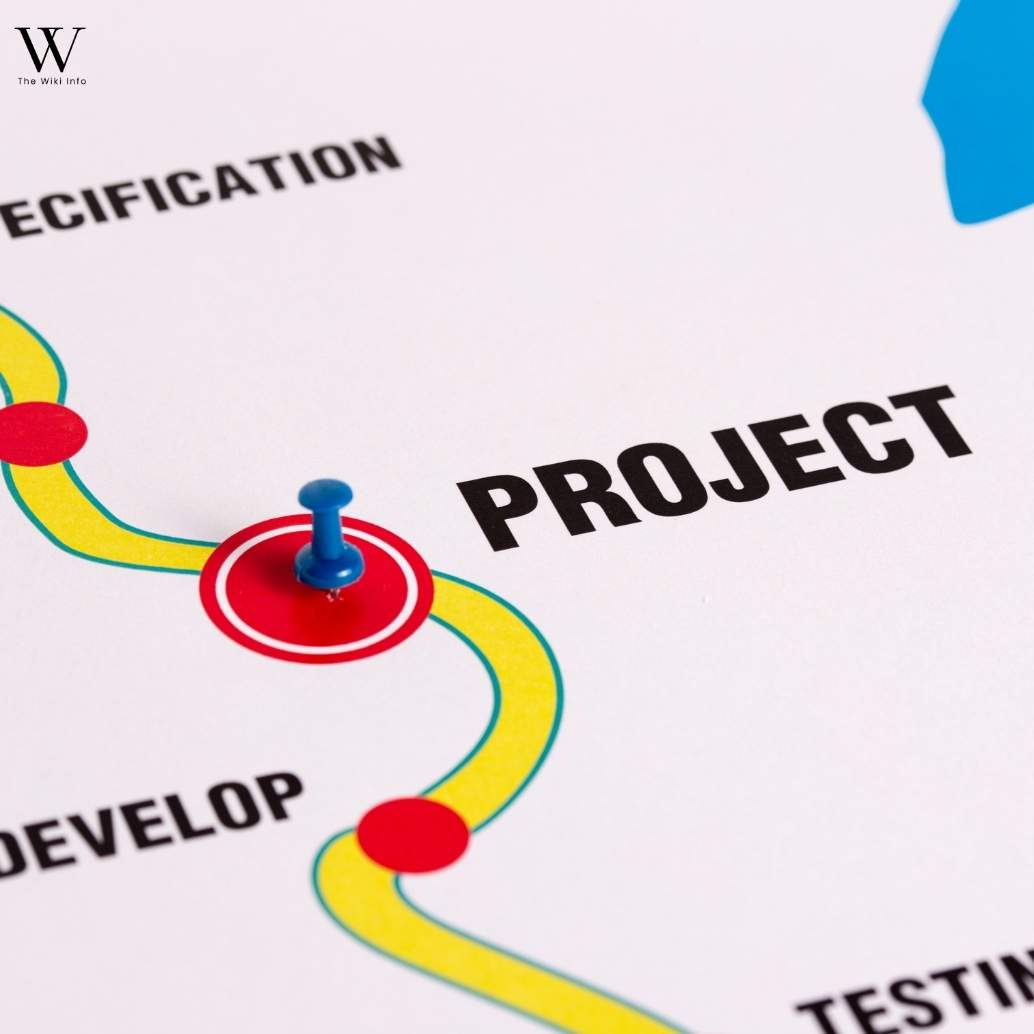
A Project Manager Course gives you a structured introduction to the knowledge and practical skills needed to plan, organize, and deliver projects successfully. Depending on the program, you may study project scope, scheduling, budgeting, risk management, team communication, stakeholder coordination, and common project management methods.
You don’t necessarily need previous project management experience to start. Beginner programs typically explain the fundamentals first, while advanced training may focus on leadership, Agile methods, specialized industries, or professional certification preparation. Before enrolling, check the curriculum, learning format, prerequisites, hands-on work, and what credential you’ll receive at the end.
What a project manager course covers
Most project management courses follow the basic stages of a project, from defining its goals to completing and reviewing the final work. You’ll usually learn how to create project plans, establish milestones, assign resources, track progress, identify risks, and communicate updates to stakeholders.
A well-rounded course may also introduce Agile, Scrum, Kanban, Gantt charts, project documentation, and project management software. Practical exercises or case studies are especially useful because they let you apply concepts instead of only memorizing terminology.
Who should take a project management course
Project management training can be useful if you’re preparing for your first project-related role, already coordinating projects, or looking to move into a formal project manager position. It can also help professionals in IT, marketing, construction, healthcare, finance, and other fields who regularly manage deadlines, budgets, teams, or deliverables.
Beginners should look for courses that don’t assume prior knowledge. If you already have professional experience, a more advanced program or certification-preparation course may provide greater value than an introductory class.
Beginner vs. advanced project management courses
Beginner courses focus on fundamentals such as project planning, scope, schedules, budgets, communication, and risk management. They’re designed to help you understand how projects are structured and how a project manager coordinates the work.
Advanced programs generally go deeper into leadership, complex project environments, Agile methodologies, portfolio or program management, and certification preparation. Your experience level should therefore be one of the first things you consider when comparing programs.
Online vs. in-person learning
Online project management courses offer flexibility, making them convenient if you have a full-time job or other commitments. Self-paced programs let you study around your schedule, while live online classes provide more interaction with instructors and classmates.
In-person training can be useful if you prefer direct classroom interaction, networking, and a fixed schedule. Neither format is automatically better; the right choice depends on how you learn, how much time you have, and whether the course includes meaningful practical work.
Course vs. certificate vs. professional certification
These terms aren’t interchangeable. A course is the learning program itself, while a certificate usually confirms that you completed a particular educational program. A professional certification generally involves meeting defined eligibility requirements and demonstrating competence through an assessment or examination.
| Credential | What it usually means | Best suited for |
| Course | Structured learning and skills development | Beginners and professionals building knowledge |
| Certificate | Evidence of completing an educational program | Learners who want to document training |
| Professional certification | Credential based on defined professional standards | People pursuing recognized professional credentials |
Always check exactly what a provider awards before enrolling. A “certificate” isn’t necessarily the same as a professional certification.
Skills You Learn in a Project Manager Course
The strongest project management courses go beyond definitions and teach you how to handle the day-to-day responsibilities of managing work. You’ll learn to turn a project goal into a workable plan, coordinate people and resources, monitor progress, and respond when something doesn’t go according to plan.
The exact curriculum varies by provider, but practical programs commonly combine technical project skills with communication and leadership. Those soft skills matter because project managers often have to coordinate people who don’t report directly to them.
Project planning and scheduling
Project planning involves defining what needs to be delivered, breaking the work into manageable activities, establishing milestones, and determining when tasks should be completed. Scheduling turns that plan into a timeline that the team can follow.
You may learn how to build schedules, identify dependencies, set deadlines, and track whether work is progressing as expected. These skills are useful across almost every industry.
Scope and requirements management
Project scope defines what the project will and won’t deliver. Learning to establish clear requirements helps prevent uncontrolled additions that can increase workload, cost, or delivery time.
You’ll also learn why documenting requirements and agreeing on project boundaries early can make later decisions easier. Good scope management keeps the team focused on the agreed outcome.
Budget and resource management
A project manager needs to understand how available money, people, equipment, and time affect delivery. Training may introduce basic budgeting, resource allocation, cost tracking, and forecasting.
You don’t have to be an accountant to manage project resources effectively. The goal is to understand where resources are going and recognize problems before they seriously affect the project.
Risk and issue management
Risks are potential events that could affect a project, while issues are problems that have already occurred. Project management training teaches you to identify risks, assess their potential impact, and plan appropriate responses.
You may also learn how to maintain risk registers, escalate serious problems, and create contingency plans. This helps you respond proactively instead of waiting for a small problem to become a major setback.
Team leadership and communication
Project managers spend a significant amount of time communicating with team members, managers, clients, vendors, and other stakeholders. Clear communication helps everyone understand responsibilities, deadlines, changes, and expectations.
Leadership training may cover delegation, conflict management, meetings, feedback, motivation, and decision-making. These skills become increasingly important as projects become larger and involve more people.
Stakeholder management
Stakeholders can influence a project’s requirements, resources, decisions, or final outcome. A project manager needs to understand who they are, what they need, and how frequently they should receive updates.
Courses may teach stakeholder mapping, communication planning, expectation management, and escalation techniques. These practices can reduce misunderstandings and keep important people aligned with the project.
Agile and Scrum fundamentals
Many modern project management programs introduce Agile principles and frameworks such as Scrum. You’ll learn concepts such as iterative delivery, backlogs, sprints, prioritization, and continuous feedback.
Agile knowledge can be particularly useful in technology and product environments, although Agile principles are now used in many other types of work as well.
Project documentation and reporting
Documentation gives a project a reliable record of its goals, decisions, requirements, risks, milestones, and progress. Depending on the course, you may practice creating project plans, status reports, risk registers, meeting notes, or other project documents.
Good reporting should make important information easy to understand. The goal isn’t to produce paperwork for its own sake but to help teams and stakeholders make better decisions.
Project management software and tools
Many project managers use digital tools to organize tasks, deadlines, documents, communication, and project data. Training may introduce concepts such as task boards, Gantt charts, dashboards, calendars, and reporting tools.
The specific software matters less than understanding how to use tools to plan work, monitor progress, and keep information organized. Those transferable skills make it easier to learn a new platform later.
Best Project Manager Courses Online
Online project management courses range from short introductory classes to comprehensive professional programs. The best option for you depends on your experience, career goal, available study time, budget, and whether you need a certificate or certification preparation.
Don’t judge a course only by its title or advertised credential. Compare the curriculum, instructor or provider, practical assignments, support, learning format, assessment method, and current cost before making a decision.
Best online project management courses for beginners
If you’re new to project management, choose a course that starts with fundamentals rather than assuming you already understand professional terminology. It should explain project lifecycles, planning, scope, schedules, budgets, risks, communication, and basic methodologies.
A beginner-friendly course should also give you opportunities to practice. A simple project plan, schedule, risk register, or case study can be more useful than hours of purely theoretical material.
Best project management courses with certificates
If you want a certificate to document your training, check exactly what you’ll receive after completing the course. Some providers issue a certificate of completion, while others prepare learners for a separate professional certification.
Look beyond the word “certificate.” Consider the provider’s reputation, curriculum, assessment process, practical work, and relevance to the jobs you’re targeting.
Best courses for working professionals
Working professionals often benefit from self-paced or flexible online programs. Look for recorded lessons, manageable modules, downloadable resources, realistic assignments, and a course schedule you can maintain alongside your job.
If live instruction matters to you, check the class schedule before paying. A highly rated course won’t help much if you can’t consistently attend or complete the required work.
Best courses for career changers
Career changers generally need broader training because they may be building project management knowledge from scratch. A comprehensive course that covers core skills, methodologies, tools, and practical projects can provide a stronger foundation.
It’s also worth looking for opportunities to demonstrate what you’ve learned. A portfolio of sample project plans or completed case studies can give you something concrete to discuss when applying for project-related positions.
Self-paced vs. instructor-led programs
Self-paced courses give you control over when and how quickly you study. They’re often a good fit if your schedule changes frequently or you prefer learning independently.
Instructor-led programs provide scheduled instruction and opportunities to ask questions. If you learn better through discussion and feedback, the additional structure may justify choosing a live program.
How to compare course quality
Use a consistent checklist instead of relying on marketing claims. Compare the curriculum, practical assignments, instructor qualifications, provider reputation, credential type, learner support, duration, current price, and refund policy.
| Factor | What to check |
| Curriculum | Does it cover the skills you actually need? |
| Experience level | Is it suitable for your current knowledge? |
| Practical work | Are there projects, exercises, or case studies? |
| Credential | Is it a certificate or professional certification? |
| Format | Self-paced, live, hybrid, or classroom? |
| Support | Can you contact an instructor or receive feedback? |
| Cost | What is included in the advertised price? |
| Policies | Are refund and cancellation terms clearly stated? |
Accuracy note:
Course prices, durations, curricula, certificates, enrollment options, and policies can change. Verify current details on the provider’s official website before enrolling or paying.
Free Project Management Courses With Certificates
You can find free project management training online, but “free” doesn’t always mean that every part of the program costs nothing. Some platforms provide free access to learning materials but charge for a certificate, assessment, or other features.
Before signing up, check whether the certificate is included, whether the course has a time-limited free trial, and whether you’ll need to pay to access graded assignments. This distinction is especially important when you’re comparing project management courses free with certificate online.
Free online project management courses
Free courses can be a practical way to test whether project management is right for you before spending money. They’re particularly useful for learning terminology, understanding basic methodologies, and developing foundational skills.
However, free training can vary widely in depth. Check the curriculum and learning outcomes rather than assuming a free course provides the same depth as a comprehensive paid program.
Free courses with certificates
Some programs offer a certificate after completing the required lessons or assessment, while others charge separately for the credential. The certificate’s value also depends on who issued it and what the course actually assessed.
If your main goal is to strengthen your resume, research the credential before relying on it. A certificate showing course completion isn’t automatically equivalent to a recognized professional certification.
Free project management training for beginners
Beginners should prioritize clarity and fundamentals over the prestige of a course title. A useful introductory program should explain project planning, scope, schedules, risks, communication, stakeholders, and the project lifecycle.
You can then build on that foundation with practical exercises, more advanced training, or professional certification preparation if project management becomes your career direction.
Free vs. paid courses
Free training is attractive because it reduces financial risk, but paid programs may provide additional features such as instructor support, graded assignments, career services, practical projects, or more comprehensive content.
The better question isn’t simply whether a course is free. Compare what you receive for the total cost and whether those features help you reach your specific goal.
What “free” actually includes
Before enrolling, check these details:
- Is the entire course free or only selected lessons?
- Is the certificate included?
- Is an assessment included?
- Does access expire?
- Are assignments or projects restricted?
- Is a free trial automatically converted into a paid subscription?
- Are there separate exam or certification fees?
This quick check can prevent an inexpensive-looking course from becoming more expensive than expected.
Certificate fees and other potential costs
A course can advertise free learning while charging separately for a certificate. Other potential expenses may include exam fees, premium study materials, subscriptions, instructor support, or professional certification applications.
Always check the provider’s current pricing and terms before entering payment information. If the credential is important to your career plans, also verify exactly what the certificate represents.
Google Project Management Course and Professional Certificate

Google’s project management program is one option for learners who want structured online training without starting with previous project management experience. The program is designed to teach practical concepts such as project planning, documentation, Agile methods, communication, and managing project work.
Before enrolling, check the current program page for the latest course name, pricing, subscription terms, curriculum, completion requirements, and certificate details. Program information can change, so don’t rely on an old course listing or outdated review.
Google Project Management course overview
The Google program provides structured learning around core project management concepts and workplace skills. It can be useful if you want an organized starting point rather than piecing together information from unrelated free tutorials.
The learning experience typically combines instructional material with practical activities. Before signing up, review the current syllabus to confirm that its content matches the skills and career direction you’re looking for.
Google Project Management Professional Certificate
The Google Project Management Professional Certificate is designed for people who want to develop job-relevant project management knowledge through an online program. It can be particularly appealing to beginners and career changers looking for a structured credential.
Remember that a professional certificate issued by a course provider isn’t automatically the same thing as an industry certification such as PMP or CAPM. Check the exact credential and what it represents before listing it on your resume.
What you learn in the program
The program covers foundational project management concepts and can include areas such as project planning, documentation, Agile practices, stakeholder communication, and managing project activities.
The exact curriculum should always be checked against the current official program information. Course content, modules, assessments, and requirements can be updated over time.
Who the program is designed for
This type of program can work well for beginners, career changers, and professionals who want to build formal project management knowledge. You don’t necessarily need to have held a project manager title before starting an introductory program.
If you’re already an experienced project manager, however, a basic professional certificate may not be enough for your goals. You may benefit more from advanced training or preparation for an industry certification.
Certificate value and career relevance
A recognized course certificate can show that you’ve completed structured training, but it shouldn’t be treated as a guaranteed path to employment. Employers may also consider your previous experience, communication skills, practical project work, and ability to demonstrate project management knowledge.
For a stronger career profile, combine coursework with practical experience. You can create sample project plans, schedules, risk registers, or case studies to demonstrate how you apply what you’ve learned.
Google certificate vs. other project management credentials
Different credentials serve different purposes. A professional certificate can provide foundational training, while certifications such as PMP or CAPM have their own eligibility and examination requirements.
| Credential type | Main purpose | Typical use |
| Course certificate | Shows completion of training | Learning and resume development |
| Professional certificate | Structured career-focused education | Entry-level skill development |
| Industry certification | Demonstrates competency against a defined standard | Professional advancement |
| Certification preparation | Helps prepare for an exam | Candidates pursuing a certification |
Don’t choose a credential simply because it’s popular. Match it to your current experience and the requirements of the roles you’re targeting.
Google’s project management program is one option for learners who want structured online training without starting with previous project management experience. Google Project Management Certificate.
Project Manager Course Curriculum and Learning Path
A strong curriculum should take you from basic concepts to practical application. You’ll first learn how projects are structured, then move into planning, execution, monitoring, communication, risk management, and closing.
The exact order varies by provider, but the learning process should gradually build your ability to manage real project work. Look for programs that include exercises, templates, case studies, or projects rather than relying entirely on lectures.
Project initiation
Project initiation establishes the foundation for the work. You’ll learn how to define the project’s purpose, identify key stakeholders, clarify objectives, and determine whether the proposed work is realistic.
This stage is important because unclear goals can create problems later. A project manager needs a clear understanding of what the project is intended to achieve before detailed planning begins.
Project planning
Planning turns a project idea into an actionable roadmap. It can involve defining scope, identifying tasks, estimating resources, setting milestones, creating schedules, and determining how risks will be handled.
You’ll often work with planning documents and scheduling tools during this stage. The goal is to create a realistic plan that the team can actually follow.
Project execution
Execution is where planned work gets completed. Project managers coordinate people, resources, communication, deliverables, and changing priorities while keeping the project aligned with its objectives.
Good execution isn’t simply about following the original plan. You also need to recognize problems, communicate changes, and make decisions when circumstances change.
Monitoring and controlling
Monitoring helps you determine whether a project is progressing according to its schedule, budget, scope, and quality expectations. Project management training may teach you how to track milestones, identify variances, and report progress.
Controlling involves taking corrective action when something moves away from the approved plan. Regular monitoring can help you spot issues before they become difficult to fix.
Project closure
Project closure formally completes the project. This can involve confirming deliverables, obtaining approvals, closing contracts, organizing documentation, and reviewing lessons learned.
A good closing process also helps the organization understand what worked and what should change on future projects. That knowledge can improve project planning over time.
Agile and Scrum
Agile approaches emphasize iterative work, feedback, collaboration, and adapting to changing requirements. Scrum is one framework used to organize Agile product and software development work.
Understanding these concepts can broaden your project management knowledge, especially if you’re interested in technology or product teams. However, Agile isn’t automatically the best approach for every project.
Risk management
Risk management involves identifying potential problems before they happen, assessing their likelihood and impact, and deciding how to respond.
You may learn to maintain risk registers, assign risk owners, develop response strategies, and monitor changing risks throughout the project. These practices help make uncertainty more manageable.
Communication and stakeholder management
Communication keeps project participants informed about progress, decisions, deadlines, risks, and changes. Stakeholder management focuses on understanding the people who can affect or are affected by the project.
A useful training program should show you how to tailor communication to different audiences. A technical team, executive sponsor, client, and vendor may all need different levels of detail.
Real-world projects and case studies
Practical projects let you apply concepts in a realistic setting. Instead of only reading about scope or risk management, you might create a project plan, schedule, stakeholder register, or risk assessment.
Case studies are also valuable because they show how project managers respond to common challenges. When comparing courses, give extra weight to programs that require meaningful application.
Agile knowledge can be particularly useful in Droven.io DevOps Tutorials, although Agile principles are now used in many other types of work as well.
Project Manager Career, Salary, and Job Outlook
Project management can lead to opportunities across technology, construction, healthcare, finance, marketing, consulting, and many other industries. Your career path may begin with coordination responsibilities and gradually move toward managing larger or more complex projects.
A course can help you develop foundational knowledge, but it doesn’t guarantee a particular salary or job title. Experience, industry, location, education, certifications, and the complexity of the projects you manage can all affect career opportunities.
Entry-level project management roles
People new to the field may start in positions such as project coordinator, project assistant, operations coordinator, or similar roles. These positions can provide practical exposure to schedules, documentation, meetings, communication, and project tracking.
You don’t always need the title “project manager” to gain relevant experience. Look for responsibilities that let you organize work, coordinate people, manage deadlines, or support project delivery.
Project coordinator vs. project manager
A project coordinator typically supports the project manager and team by organizing information, tracking tasks, preparing updates, scheduling meetings, and maintaining documentation.
A project manager generally carries greater responsibility for project scope, planning, resources, risks, stakeholders, and overall delivery. The exact responsibilities vary by organization.
Industries hiring project managers
Project management skills are transferable across industries. You may find project-related roles in:
- Technology and software
- Construction and engineering
- Healthcare
- Finance and banking
- Marketing and advertising
- Manufacturing
- Consulting
- Education
- Government
- Nonprofit organizations
The terminology and tools can vary between industries, so specialized experience may become increasingly valuable as your career develops.
Career progression
A common progression can look like:
Project Coordinator → Project Manager → Senior Project Manager → Program Manager → Portfolio or Leadership Role
Not everyone follows this exact path. Some professionals specialize in a particular industry, methodology, technical area, or type of project instead.
Skills employers look for
Employers may look for a combination of technical and interpersonal abilities, including:
- Planning and organization
- Communication
- Leadership
- Problem-solving
- Risk management
- Time management
- Stakeholder management
- Budget awareness
- Adaptability
- Project management software skills
A certificate can support your learning, but being able to demonstrate these skills through work experience or practical examples can make your profile stronger.
How a course can strengthen your resume
Training can help you show that you’ve deliberately developed project management knowledge. Include relevant coursework, credentials, practical projects, and tools you’ve learned when they’re genuinely applicable to the position.
Avoid listing every lesson you’ve completed. Instead, focus on skills that match the job description and be prepared to explain how you’ve used them.
When professional experience matters more than a course
Training is valuable, but experience becomes increasingly important as you pursue higher-level roles. Employers may want evidence that you’ve managed real deadlines, teams, budgets, risks, stakeholders, or difficult project situations.
If you’re starting from zero, use coursework to build a foundation and look for opportunities to gain hands-on experience. Volunteer projects, workplace assignments, internships, and coordinator roles can all help you develop practical evidence.
Training can help you show that you’ve deliberately developed Hire It Resume.
How to Choose the Right Project Manager Course

Start with your career goal instead of starting with the course catalog. A beginner who wants to understand project management has different needs from an experienced professional preparing for a certification exam.
Then compare the curriculum, format, practical work, credential, provider, support, cost, and policies. A course is only a good choice if it fits your circumstances and helps you move toward a specific goal.
Define your career goal
Decide what you want the training to accomplish. You may want basic knowledge, a career change, professional development, preparation for certification, or stronger skills for a current role.
Once you know the goal, eliminate courses that don’t provide the relevant level of training or credential.
Check beginner requirements
Some programs are designed for complete beginners, while others assume professional experience. Check prerequisites before enrolling, particularly if you’re considering advanced certification preparation.
A course that is too advanced can leave you struggling with concepts you haven’t encountered before.
Compare curriculum depth
Review the actual syllabus rather than judging a program by its title. Look for relevant topics such as project scope, scheduling, budgeting, risk management, stakeholder communication, Agile methods, and project documentation.
If two courses cost a similar amount, the one with more relevant practical content may provide greater value.
Evaluate instructor and provider credibility
Research who created or teaches the course. Look for relevant professional experience, clear learning outcomes, transparent policies, and credible information about the provider.
Be cautious with programs that make unusually strong promises about guaranteed employment, salary increases, or certification outcomes.
Check certificate recognition
Find out exactly what credential you’ll receive and who issues it. Determine whether it’s a certificate of completion, professional certificate, or preparation for a separate certification.
If a provider uses terms such as “accredited” or “recognized,” verify what those claims actually mean rather than assuming they carry a specific professional status.
Compare cost and payment options
Look at the total cost, not just the advertised starting price. Check whether assessments, certificates, exams, subscriptions, study materials, or other features cost extra.
For subscription-based programs, also check billing frequency and cancellation terms before entering your payment details.
Review learning format and schedule
Choose a format that you can realistically complete. Self-paced courses provide flexibility, while live programs offer scheduled instruction and interaction.
If you have a full-time job, estimate how many hours per week you can consistently dedicate to the course before choosing a program.
Check refund and cancellation policies
Read the provider’s current refund and cancellation policy before purchasing. Pay particular attention to deadlines, subscription renewals, eligibility conditions, and whether completed coursework affects refund eligibility.
Save a copy of the policy and purchase confirmation for your records.
Look for hands-on projects
Practical assignments can make a major difference in how much you retain. Look for courses that let you create project plans, schedules, risk registers, stakeholder plans, reports, or other realistic deliverables.
These projects can also give you examples to discuss during interviews or include in a professional portfolio.
Verify career support and employer relevance
Some programs offer resume assistance, career resources, mentorship, or other support. These features can be useful, but don’t assume that career support guarantees employment.
Check whether the skills taught actually appear in the job listings you’re targeting. Employer relevance is often more useful than a long list of course features.
Project Manager Course FAQs
What is a project manager course?
A project manager course teaches the skills and methods used to plan, organize, execute, monitor, and close projects. Depending on the program, it may also cover Agile, Scrum, risk management, stakeholder communication, budgeting, scheduling, and project management software.
Is a project management course worth it?
It can be worth it if you need structured training or want to develop foundational project management skills. The value depends on the course quality, cost, practical content, credential, and how well it matches your career goals.
Which project management course is best for beginners?
The best beginner course should explain fundamental concepts clearly, require little or no prior experience, and include practical exercises. Look for coverage of planning, scope, scheduling, risk, communication, stakeholders, and the project lifecycle.
Can I take a project management course for free?
Yes. Free project management courses are available online, although some charge separately for certificates, assessments, or premium features. Always check what is included in the free option before enrolling.
Which free project management courses offer certificates?
Some free programs provide certificates, while others offer free learning but charge for the certificate. Check the provider’s current terms to confirm whether the credential is genuinely included at no cost.
Is the Google Project Management Certificate worth it?
It can be useful for beginners and career changers who want structured online project management training. Its value depends on your goals, existing experience, and the types of positions you’re pursuing, so compare it with other training and certification options before enrolling.
Can I become a project manager without experience?
Yes, you can begin developing project management skills without previous experience, but landing a project manager role may still require evidence of practical ability. Starting with coordinator or project-support responsibilities can help you build relevant experience.
How long does it take to complete a project management course?
The time varies significantly. Short introductory courses may take only a few hours, while comprehensive certificate programs can require substantially more study. Always check the provider’s current estimated workload and completion schedule.
Do project management courses include certification?
Not necessarily. Some courses provide a completion certificate, while others prepare you for a separate professional certification. Read the credential description carefully so you know exactly what you’re receiving.
What is the difference between a project management certificate and certification?
A certificate generally confirms completion of an educational program. A professional certification typically validates competency against defined requirements, often involving eligibility criteria and an examination. They serve different purposes and shouldn’t be treated as interchangeable.
Conclusion
The right Project Manager Course can give you the foundation you need to plan projects, manage teams, handle risks, and keep work moving toward its goals. If you’re a beginner, a flexible online or free course can be a good starting point, while experienced professionals may benefit more from advanced training or certification preparation.
Before you enroll, compare the curriculum, practical projects, certificate or certification, total cost, learning format, and provider reputation. Most importantly, choose a program that matches your career goals and gives you skills you can actually use. With the right training and hands-on practice, you can build a stronger foundation for your project management career.
Research who created or teaches the course. Look for relevant professional experience, clear learning outcomes, transparent policies, and credible information about the provider. project management courses.

Welcome to TheWikiInfo! I am a digital content creator and researcher dedicated to breaking down complex topics into simple, actionable guides. With a deep passion for tech innovations, gaming updates, travel schedules, and pop culture trends, I aim to provide our readers with accurate, well-structured, and easy-to-understand information to solve their everyday queries.