Social media can feel simple on the surface, but there’s much more happening behind every post, message, feed, and recommendation. These websites and apps let people create, share, discover, and interact with content while connecting with others through social networks, messaging platforms, video-sharing services, forums, and professional communities.
This guide makes it easier to understand how these platforms actually work and why they’ve become such a big part of everyday life. You’ll learn about the main types, popular apps, common uses, benefits and disadvantages, business applications, and important safety and privacy concerns.
What Is Social Media and Why It Matters Today

Social media is a group of websites and apps that let you communicate, create content, share information, and interact with other people online. Unlike traditional media, where information usually flows from a publisher to an audience, these digital platforms allow users to respond, participate, and create their own content. Competitor definitions consistently center on communication, community interaction, collaboration, and content sharing.
Today, social media influences much more than conversations between friends. It plays a major role in entertainment, education, news discovery, professional networking, customer service, marketing, and community building. The experience can look very different depending on the platform, but the core idea remains the same: people and organizations can connect and exchange content in an interactive digital environment.
Simple Definition of Social Media
In simple terms, social media means online platforms where people create profiles or accounts, publish content, communicate with others, and participate in digital communities. That content may include text posts, photos, videos, messages, links, discussions, and other forms of user-generated content.
Main Characteristics
Most social platforms share a few recognizable characteristics even when their designs and audiences are different. Users generally have an identity or profile, can publish or view content, connect with other accounts, communicate directly or publicly, and interact through actions such as likes, comments, shares, reactions, or messages.
- User profiles: Personal or business accounts identify the person, creator, or organization.
- User-generated content: Members can publish their own posts, images, videos, or discussions.
- Connections: People can follow, friend, join, subscribe to, or interact with other accounts.
- Content feeds: Platforms organize updates, recommendations, and other content in a feed or timeline.
- Engagement: Likes, comments, shares, reactions, and messages create two-way interaction.
- Online communities: Users can gather around interests, professions, hobbies, locations, or shared goals.
Social Platforms vs. Traditional Media
Traditional media such as newspapers, radio, and television is generally built around one-way publishing, while social platforms are designed around participation and interaction. A newspaper can publish a story for you to read, but a social network may let you comment on that story, share it, discuss it with others, follow the publisher, or create your own response. This two-way communication is one of the clearest differences between traditional and social media.
History and Evolution of Social Media
The development of social media didn’t happen all at once. Early platforms focused heavily on personal profiles, blogs, and connections between friends, while later networks introduced feeds, instant sharing, mobile access, video, professional networking, communities, and business tools. Competitor material highlights early services such as MySpace and LiveJournal as important parts of this transition.
As internet access and smartphones became more common, online communities became part of everyday communication. Platforms also expanded beyond personal conversations into news, entertainment, advertising, professional networking, shopping, customer support, and content creation. That evolution turned social networking from a niche online activity into a much broader digital ecosystem.
Early Online Communities and Social Networks
Early online communities gave users something that traditional websites rarely offered: a personal space where they could publish information about themselves and interact with other members. Services such as LiveJournal and MySpace helped popularize personal profiles, online journals, friendship connections, and community-based interaction before today’s major platforms became dominant.
Rise of Mobile Platforms
Mobile apps changed how frequently people could access social networks because users no longer needed to sit at a desktop computer to participate. Smartphones made it possible to post photos, send messages, watch videos, respond to comments, and follow live conversations from almost anywhere, helping social platforms become part of daily routines rather than an activity tied to a specific device.
How the Landscape Changed in the 2020s
During the 2020s, the boundaries between different types of platforms became less clear. Social networks increasingly combined short-form video, messaging, livestreams, shopping, creator tools, recommendations, communities, professional content, and advertising within the same app. Algorithms also became more influential in deciding what users discover beyond the accounts they deliberately follow.
Quick Evolution Timeline
| Period | Major Development |
| Early social web | Forums, blogs, personal pages, and online communities |
| Early 2000s | Profile-based social networking expands |
| Mid-to-late 2000s | Feeds, sharing, comments, and major networks grow |
| 2010s | Smartphones, visual content, messaging, and video accelerate |
| 2020s | Short-form video, creator ecosystems, social commerce, and algorithmic discovery expand |
How Social Media Works
Social media works by connecting individual accounts, content, communities, and recommendation systems inside an online platform. You create an account, build a profile, connect with people or topics, consume or publish content, and interact with what you see. Those interactions can then influence what appears in your feed and which posts the platform recommends.
Although every platform has its own features, several core elements appear repeatedly across major services. Competitor material identifies profiles, content sharing, direct messaging, algorithms, and feeds or timelines as common features across social platforms.
Accounts, Profiles, Followers, and Connections
Most platforms begin with an account and some form of profile. A personal profile may include your name, photo, biography, interests, and posts, while a business profile may also include company details or contact information. Connections are then created through followers, friends, subscriptions, group memberships, or other relationship systems.
Feeds, Algorithms, and Recommendations
A feed is the stream of posts, videos, updates, ads, and suggested content you see while using a platform. Algorithms help decide which items appear and in what order by considering signals such as the accounts you follow, content you’ve interacted with, topics you appear interested in, and other platform-specific factors.
Likes, Comments, Shares, and Engagement
Engagement describes the ways people respond to content instead of simply viewing it. Likes, reactions, comments, reposts, saves, shares, clicks, and messages can all indicate that a post generated interest. For creators and businesses, these interactions can also help reveal which topics resonate with an audience.
User-Generated Content and Online Communities
User-generated content is one of the foundations of social networking because much of the material on these platforms comes directly from their members. People can publish personal updates, tutorials, opinions, photos, videos, reviews, discussions, or professional insights, while communities form around shared interests and ongoing interaction.
Typical Social Media Flow
Create an account → Build a profile → Follow people or topics → View or create content → Like, comment, share, or message → Receive more personalized recommendations
As social platforms continue to evolve, tools connected with content sharing and online presentation are also growing, and Social Media Stuff EmbedTree is one example worth exploring in this changing digital space.
Types of Social Media and Their Main Uses
Not every social platform serves the same purpose. Some are primarily designed to connect people, others focus on videos or images, and others emphasize messaging, professional relationships, discussions, reviews, or shopping. Understanding the different types of social media makes it easier to see why a platform that works well for entertainment may not be the best choice for professional networking or detailed community discussions.
Competitor coverage divides platforms into categories such as social networks, microblogging services, professional networks, video and photo-sharing platforms, messaging services, and community forums. Other classification systems also group platforms into social networks, media-sharing networks, community networks, and review networks.
Social Networking Platforms
Social networking platforms are built around relationships and connections between people, organizations, or communities. Users typically create profiles, follow or connect with other accounts, post updates, and interact through comments, reactions, or shares. Facebook and LinkedIn are common examples, although their audiences and purposes differ considerably.
Photo and Video-Sharing Platforms
Photo and video-sharing services make visual content the center of the experience. Platforms such as Instagram, TikTok, YouTube, and Snapchat allow users to publish images, short-form video, longer videos, stories, or other visual formats while audiences interact through views, comments, likes, shares, and subscriptions.
Messaging and Community Platforms
Messaging platforms focus heavily on direct or group communication. Services such as WhatsApp and similar apps allow individuals, families, teams, or communities to exchange private messages, media, links, and other information, while platforms such as Discord combine messaging with larger topic-based communities.
Professional Networking Platforms
Professional networks are designed around careers, skills, industry relationships, and professional identity. LinkedIn is a widely recognized example where users can showcase work experience, connect with colleagues, discover career opportunities, follow companies, and publish business-related content.
Forums, Blogs, and Discussion Communities
Forums and discussion communities prioritize conversation around subjects rather than personal lifestyle updates. Reddit, for example, organizes discussions around topic-based communities, while blogging and publishing platforms allow creators to share longer ideas, commentary, guides, or specialized knowledge with an audience.
Social Shopping and Creator Platforms
Social shopping blends content discovery with product promotion and purchasing, while creator-focused features help individuals build an audience around their work. Influencers, brands, and content creators may use posts, videos, livestreams, recommendations, or partnerships to introduce products and services to followers.
| Type | Primary Purpose | Common Content |
| Social networking | Connections and communication | Posts, photos, updates |
| Video sharing | Entertainment and education | Short and long videos |
| Messaging | Private or group communication | Messages, calls, groups |
| Professional networking | Careers and industry connections | Jobs, updates, professional posts |
| Forums and communities | Topic-based discussion | Questions, answers, threads |
| Social commerce | Product discovery and shopping | Products, demonstrations, reviews |
Popular Social Media Apps and Platform Examples
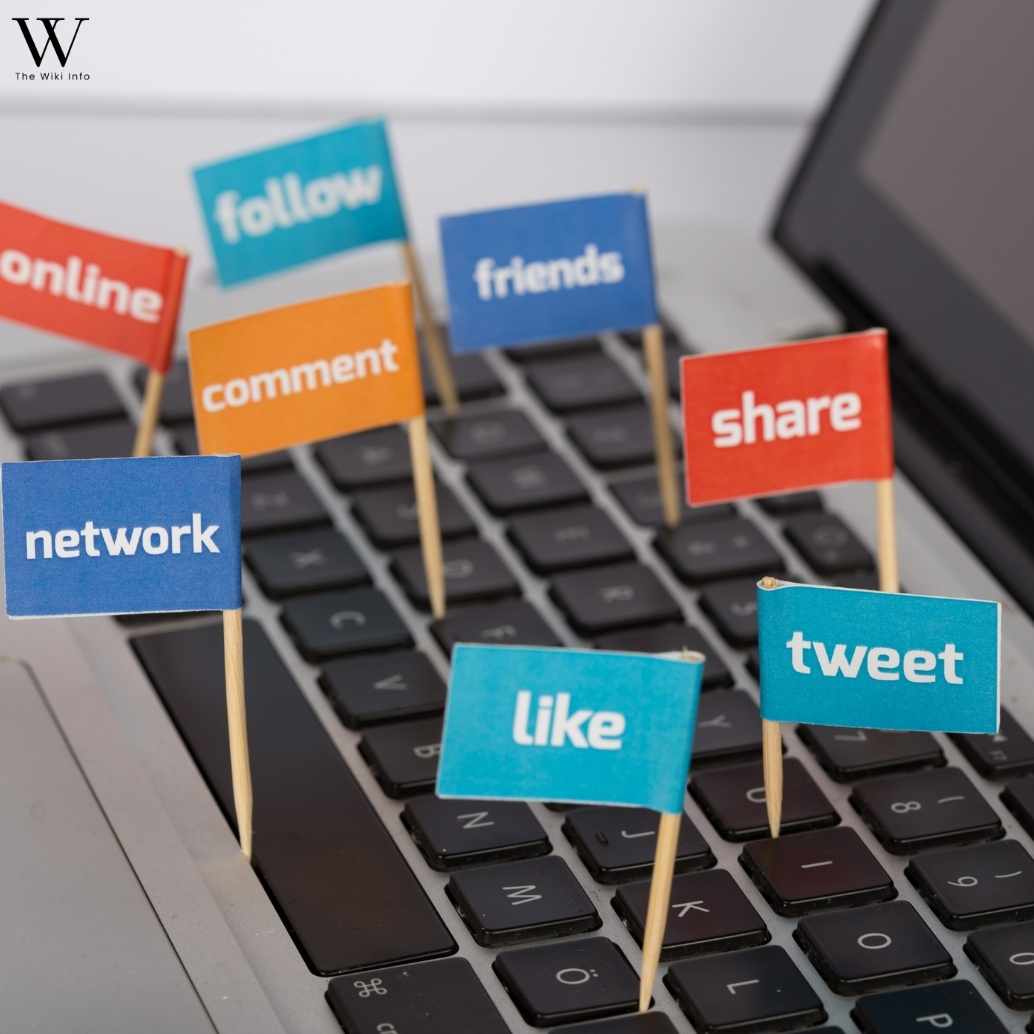
Popular social media apps serve different audiences, so the biggest platform isn’t automatically the best platform for every purpose. Facebook emphasizes broad social connections and communities, Instagram and TikTok are heavily visual, YouTube centers on video, LinkedIn focuses on professional networking, WhatsApp emphasizes messaging, and Reddit is built around topic-based discussions. Competitor material likewise presents these platforms across different functional categories rather than treating them as identical services.
Platform features, popularity, policies, and availability can change over time, so treat comparisons as a practical overview rather than a permanent ranking. Before creating an account, paying for a premium feature, advertising, or sharing sensitive personal information, check the platform’s current official information and privacy settings.
Social Networking Apps
Facebook is a broad social networking platform built around personal connections, pages, groups, events, and shared content, while services such as Threads and X focus more heavily on public updates and ongoing conversations. These platforms can be useful when you want to follow people, organizations, communities, news, or discussions in one place.
Video and Entertainment Apps
YouTube, TikTok, Instagram, and Snapchat are strong examples of platforms where visual content plays a central role. YouTube supports both short and long videos, TikTok is closely associated with short-form video discovery, while Instagram and Snapchat combine visual publishing with messaging and other social features.
Messaging and Community Apps
WhatsApp, Telegram, WeChat, and Discord place communication at the center of the user experience. Depending on the service, you may be able to send private messages, create group chats, join communities, share media, make calls, or participate in larger discussion spaces.
Professional and Business Platforms
LinkedIn is designed primarily for professional networking, recruiting, career development, and business communication. Companies and professionals can use it to publish industry content, build professional relationships, promote expertise, and connect with potential employees, employers, partners, or customers.
Choosing the Right Platform for Your Needs
The right platform depends on what you want to accomplish rather than which app is receiving the most attention. A student may value educational videos and study communities, a professional may prioritize networking, a creator may need strong content-discovery features, and a small business may care more about audience fit, customer engagement, analytics, and advertising options.
| Platform | Platform Type | Main Purpose | Typical Use | Common Content |
| Social networking | Connections and communities | Friends, groups, businesses | Posts, photos, video | |
| Visual/social network | Visual discovery and sharing | Individuals, creators, brands | Photos, Reels, Stories | |
| TikTok | Video platform | Short-form discovery | Viewers, creators, brands | Short videos |
| YouTube | Video-sharing platform | Entertainment and education | Broad audiences | Short and long videos |
| Messaging platform | Private communication | Individuals and groups | Messages, calls, media | |
| Professional network | Careers and business | Professionals and companies | Professional posts, jobs | |
| Community forum | Topic-based discussion | Interest communities | Posts, questions, discussions | |
| Visual discovery | Inspiration and discovery | Shoppers, planners, creators | Images, links, visual collections |
For the latest platform rankings and global usage trends, DataReportal’s digital reports provide regularly updated data on how people use social platforms worldwide.
How Social Media Is Used by Individuals, Students, Creators, and Businesses
Social media serves different purposes depending on who is using it. An individual may use it to stay in touch with friends, while a student may use the same platform for learning, collaboration, or networking. Creators use digital platforms to build audiences, and businesses rely on them for marketing, customer communication, research, and brand visibility.
The value comes from matching the platform to your actual goal. You don’t need to maintain an account everywhere. A better approach is to choose the social media platforms that fit your audience, content style, and communication needs, then use them consistently rather than spreading your effort too thin. Competitor guidance similarly recommends focusing on platforms that suit the intended audience and communication strategy.
Personal Communication
For personal use, social platforms make it easier to keep up with friends, relatives, communities, and shared interests. People can exchange messages, photos, videos, updates, and recommendations while discovering new information or entertainment. They can also join online communities that connect people around hobbies, locations, careers, or common experiences.
Students and Education
Social media for students can support learning when it is used purposefully. Educational videos, study communities, professional accounts, school updates, discussion groups, and expert content can help students discover information and collaborate with others. The challenge is separating useful educational resources from distractions, unreliable information, and content that consumes time without adding value.
Creators and Influencers
Content creators and influencers use social platforms to publish original work, build communities, communicate with followers, and increase audience reach. Their content may include tutorials, entertainment, reviews, commentary, photography, podcasts, or short-form videos. Some creators also earn through sponsorships, advertising, memberships, products, or platform-specific monetization options where available.
Small Businesses
Small businesses can use social networks to introduce products, show behind-the-scenes content, answer questions, collect feedback, and reach potential customers without relying entirely on traditional advertising. A strong social media presence is most useful when it supports clear business goals instead of focusing only on follower counts.
Marketing and Customer Service
Social media marketing allows organizations to publish campaigns, run targeted advertising, promote products, and communicate directly with an audience. Customer service is another important use because customers can ask questions, report problems, or share feedback through comments and direct messages. Competitor coverage also highlights brand promotion, customer feedback, analytics, social CRM, and targeted marketing as major business applications.
Professional Networking
Professional networking platforms help you present your skills, follow companies, learn about industries, connect with colleagues, and discover career opportunities. Businesses also use professional networks for recruiting, employer branding, industry communication, and building relationships with potential partners or customers.
| User | Main Uses |
| Individuals | Communication, entertainment, discovery |
| Students | Learning, research, collaboration, networking |
| Creators | Publishing, audience building, community engagement |
| Businesses | Marketing, sales, feedback, customer support |
| Professionals | Networking, career growth, personal branding |
Advantages and Disadvantages of Social Media
Social media offers clear benefits, including faster communication, access to information, community building, educational opportunities, professional networking, and affordable ways for organizations to reach audiences. It can help you maintain relationships across long distances, discover specialized communities, learn new skills, and share ideas with people you may never meet offline.
At the same time, those benefits come with risks. Misinformation can spread quickly, privacy can be compromised, and constant notifications or endless feeds can become distracting. Cyberbullying, scams, unhealthy comparison, security problems, and reputation damage are also concerns, so the best experience usually comes from using these platforms with awareness rather than treating every post or interaction as trustworthy.
Major Advantages
The advantages of social media include global connectivity, quick information sharing, community support, education, creativity, career networking, and business promotion. Smaller organizations and independent creators can also reach audiences without needing the same budgets required for many traditional advertising channels. Competitor material specifically highlights connectivity, community building, and affordable advertising as major benefits.
Major Disadvantages
The disadvantages of social media include misinformation, privacy concerns, cyberbullying, distraction, security risks, unhealthy comparison, polarization, and excessive use. Algorithms can repeatedly show similar viewpoints or highly engaging material, which may limit exposure to different perspectives or encourage longer periods of scrolling than the user originally intended.
Balancing the Benefits and Risks
You don’t have to stop using social platforms to reduce their downsides. Review privacy controls, follow reliable sources, limit unnecessary notifications, verify questionable claims, and decide which accounts genuinely improve your experience. Intentional use gives you a better chance of keeping the communication and learning benefits without allowing the platform to control too much of your attention.
| Advantages | Disadvantages |
| Global communication | Privacy concerns |
| Fast information sharing | Misinformation |
| Educational opportunities | Distraction |
| Community building | Cyberbullying |
| Business promotion | Reputation risks |
| Professional networking | Online scams |
For businesses, these opportunities also connect with digital visibility and promotion, areas explored further in Glorvix Com through its focus on SEO and online marketing services.
Social Media Safety, Privacy, and Responsible Use
Social media safety begins with understanding that anything you post, click, or share may have consequences beyond the moment. Personal information can be copied, screenshots can survive deleted posts, and fake accounts or scams may look convincing. Strong privacy settings help, but good judgment remains just as important as the technical protections available inside an app.
Responsible use also means paying attention to how these platforms affect your time, relationships, and decision-making. Rather than reacting instantly to every notification or viral claim, you can create simple habits that protect your accounts, reduce unnecessary exposure, and make your online experience more useful.
Protecting Personal Information
Avoid publicly sharing information that could make it easier to identify, locate, impersonate, or financially target you. Details such as passwords, verification codes, private contact information, travel plans, financial data, or sensitive documents should never be posted casually, even when an account appears trustworthy.
Privacy Settings and Account Security
Review the privacy and security controls available on each platform you use. Strong unique passwords, multi-factor authentication, login alerts, limited profile visibility, and regular reviews of connected devices can reduce account risks. Since platform settings change, check the official help or security pages before relying on older instructions.
Recognizing Scams and Misinformation
Be cautious when a post pressures you to act quickly, promises unrealistic rewards, requests money or login details, or links to an unfamiliar website. Misinformation can also spread through genuine accounts, so check the original source, publication date, evidence, and supporting reporting before sharing a claim as fact.
Cyberbullying and Harmful Content
Blocking, muting, restricting, and reporting tools can help when someone repeatedly harasses you or sends harmful content. Save relevant evidence when necessary and avoid escalating hostile exchanges. For younger users, trusted adults, schools, and platform safety systems may also need to become involved depending on the seriousness of the situation.
Healthy and Responsible Usage
Healthy use doesn’t require abandoning social platforms. You can turn off unnecessary notifications, unfollow accounts that add little value, set limits around scrolling, and avoid letting every trending topic demand your attention. The goal is to make the platform serve your needs rather than allowing habitual use to shape your entire routine.
Safety for Students and Younger Users
Students and younger users should be especially careful with privacy, strangers, location sharing, direct messages, and permanent digital footprints. Parents, guardians, and educators can help by discussing online behavior openly instead of relying only on restrictions. Platform age requirements, parental controls, and safety features should always be checked through current official sources.
Quick Do / Don’t Checklist
| Do | Don’t |
| Use strong unique passwords | Reuse the same password everywhere |
| Enable multi-factor authentication | Share verification codes |
| Review privacy settings | Assume default settings are private |
| Verify suspicious information | Share every viral post immediately |
| Block or report abusive accounts | Continue hostile exchanges |
| Check links before opening them | Trust unknown links or giveaways |
| Limit unnecessary personal details | Publish sensitive information publicly |
Social Media Topics, Essay Ideas, and Key Discussion Areas

Social media is a useful topic for essays, classroom discussions, presentations, and research projects because it connects technology with communication, education, business, culture, safety, and everyday behavior. A strong topic should be specific enough to explore properly instead of attempting to discuss every effect of digital communication in one assignment.
You can narrow the subject by focusing on a particular audience, platform feature, benefit, risk, or social issue. Topics involving privacy, algorithms, misinformation, education, influencer culture, business marketing, digital well-being, and AI-generated content offer enough depth for analysis while remaining closely connected to real-world platform use.
Popular Topics for Students
Student-friendly social media topics include the role of online platforms in education, digital communication, cyberbullying, privacy, misinformation, study habits, online friendships, and career networking. A focused assignment might examine whether educational content improves learning or how notifications affect concentration instead of trying to cover every advantage and disadvantage at once.
Essay Themes
A social media essay can be organized around a clear argument such as whether platforms improve communication, whether stronger privacy protections are needed, or how social networks influence young people. Other useful themes include creator culture, online advertising, digital identity, misinformation, and the balance between connection and distraction.
Research and Discussion Topics
Research topics can explore how algorithms influence content discovery, how businesses measure engagement, why online communities become influential, or how platforms affect professional networking. More advanced discussions can examine filter bubbles, content moderation, consumer behavior, social commerce, data collection, or the relationship between platform design and user behavior.
Current Issues Shaping Online Platforms
Artificial intelligence, synthetic media, changing privacy expectations, creator monetization, recommendation algorithms, online safety, and platform regulation continue to shape digital platforms. Because these areas evolve quickly, current claims should be verified through official platform documentation, recent research, or other trusted sources before they are included in academic or informational work.
Topic Ideas by Category
- Education: Social platforms in classrooms, study communities, educational videos
- Safety: Cyberbullying, scams, privacy, digital footprints
- Technology: Algorithms, AI-generated content, recommendation systems
- Business: Influencer marketing, customer engagement, social commerce
- Society: Misinformation, polarization, online communities
- Personal use: Screen time, relationships, identity, digital well-being
- Careers: Professional networking, social recruiting, personal branding
The influence of social platforms also extends into Modern Business, where digital communication, online branding, technology, and changing consumer behavior continue to reshape how companies operate.
Frequently Asked Questions About Social Media
Social media can look complicated because different apps focus on different activities, but the basic idea is straightforward: they are interactive online services where people or organizations communicate, publish content, and connect with communities. The details below clarify the most common points readers need when first learning about these platforms.
Platform features, privacy settings, popularity, and policies can change, so specific claims about an app should always be checked against its latest official information. The answers below focus on the broader principles that apply across most major platforms.
What is the top 10 social media platform?
The top social media platforms include Facebook, YouTube, WhatsApp, Instagram, TikTok, WeChat, Telegram, Facebook Messenger, Snapchat, and Reddit. Rankings can change over time as user numbers and platform popularity shift.
What do you mean by social media?
Social media refers to websites and apps that allow people to create and share content, communicate with others, and participate in online communities. It includes social networks, messaging apps, video-sharing platforms, forums, and professional networks.
What are 10 social media?
Ten popular social media platforms are Facebook, YouTube, Instagram, WhatsApp, TikTok, LinkedIn, Snapchat, Reddit, Pinterest, and X (formerly Twitter). Each serves different purposes, including communication, entertainment, professional networking, content sharing, and community discussions.
What are the 7 types of social media?
The main types include social networking sites, photo and video-sharing platforms, messaging apps, professional networks, community forums, blogging platforms, review networks, and social shopping services. Many modern apps combine several of these functions instead of fitting into only one category.
What is social media in simple words?
Social media is a collection of websites and apps where people can communicate, create and share content, follow other users, and participate in online communities. Content can include text, photos, videos, messages, links, reviews, or discussions, depending on the platform.
What are the main types of social media?
The main types include social networking sites, photo and video-sharing platforms, messaging apps, professional networks, community forums, blogging platforms, review networks, and social shopping services. Many modern apps combine several of these functions instead of fitting into only one category.
What are examples of social media?
Common examples include Facebook, Instagram, TikTok, YouTube, WhatsApp, LinkedIn, Reddit, Snapchat, Pinterest, X, Threads, Discord, and Telegram. Each platform has a different emphasis, such as messaging, videos, professional networking, public conversations, or community discussion.
What are the advantages of social media?
Major advantages include faster communication, global connectivity, educational resources, community building, entertainment, professional networking, audience development, and affordable business promotion. The value depends on how you use the platform and whether its content and communities match your goals.
What are the disadvantages of social media?
Major disadvantages include privacy concerns, misinformation, cyberbullying, scams, distraction, excessive use, security risks, unhealthy comparison, and reputational problems. Some challenges can be reduced through stronger account security, better information checking, careful sharing, and more intentional use.
How does social media work?
Social platforms connect accounts with content and communities. You create a profile, follow people or topics, view or publish content, and interact through likes, comments, shares, or messages. Recommendation algorithms may then use your activity and other signals to personalize what appears in your feed.
Why is social media important for students?
It can give students access to educational videos, expert accounts, study communities, school updates, professional networking, and collaborative spaces. However, students should also manage distractions, protect personal information, verify information before using it academically, and understand that public posts can create a lasting digital footprint.
How do businesses use social media?
Businesses use social platforms for brand awareness, content marketing, advertising, product promotion, customer service, feedback, community engagement, recruitment, and market research. Many also use analytics to understand audience response and adjust campaigns based on engagement or other measurable goals. Competitor material identifies marketing, analytics, social CRM, recruiting, and enterprise networking among key business applications.
Conclusion
Social media has grown far beyond a simple way to stay connected with friends and family. It now shapes how we communicate, learn, discover information, build communities, grow businesses, and share ideas, while features such as algorithms, messaging, and user-generated content continue to change the way we interact online.
Getting the most from these platforms comes down to using them with purpose. Choose platforms that match your needs, protect your privacy, verify information before sharing it, and maintain healthy digital habits. When used thoughtfully, social media can be a valuable tool for connection, learning, creativity, professional growth, and meaningful communication.
Businesses and creators managing several accounts can use third-party tools like Buffer to schedule content, organize posts, review performance, and manage their presence across multiple platforms.

Welcome to TheWikiInfo! I am a digital content creator and researcher dedicated to breaking down complex topics into simple, actionable guides. With a deep passion for tech innovations, gaming updates, travel schedules, and pop culture trends, I aim to provide our readers with accurate, well-structured, and easy-to-understand information to solve their everyday queries.